
Turmeric, A Traditional Medicinal Plant with Modern Scientific Relevance
Turmeric is a medicinal plant that has been used for thousands of years as a food, spice, natural pigment, and therapeutic agent. Native to South and Southeast Asia, turmeric has played a central role in traditional medical systems and has since become widely used across the world. It belongs to the ginger family and is botanically related to ginger and cardamom, sharing similar aromatic and physiological characteristics.
Traditional Medical Systems
In traditional Ayurvedic medicine, turmeric has long been valued for its role in supporting digestion, cleansing processes, and general vitality. In Traditional Chinese Medicine, it is primarily classified as a plant that supports healthy blood movement and addresses stagnation associated with pain and inflammation. In modern clinical herbalism, turmeric is generally regarded as a gentle and adaptable herb, often used for long term support and preventative care across a wide range of physiological systems.
Plant Part Used
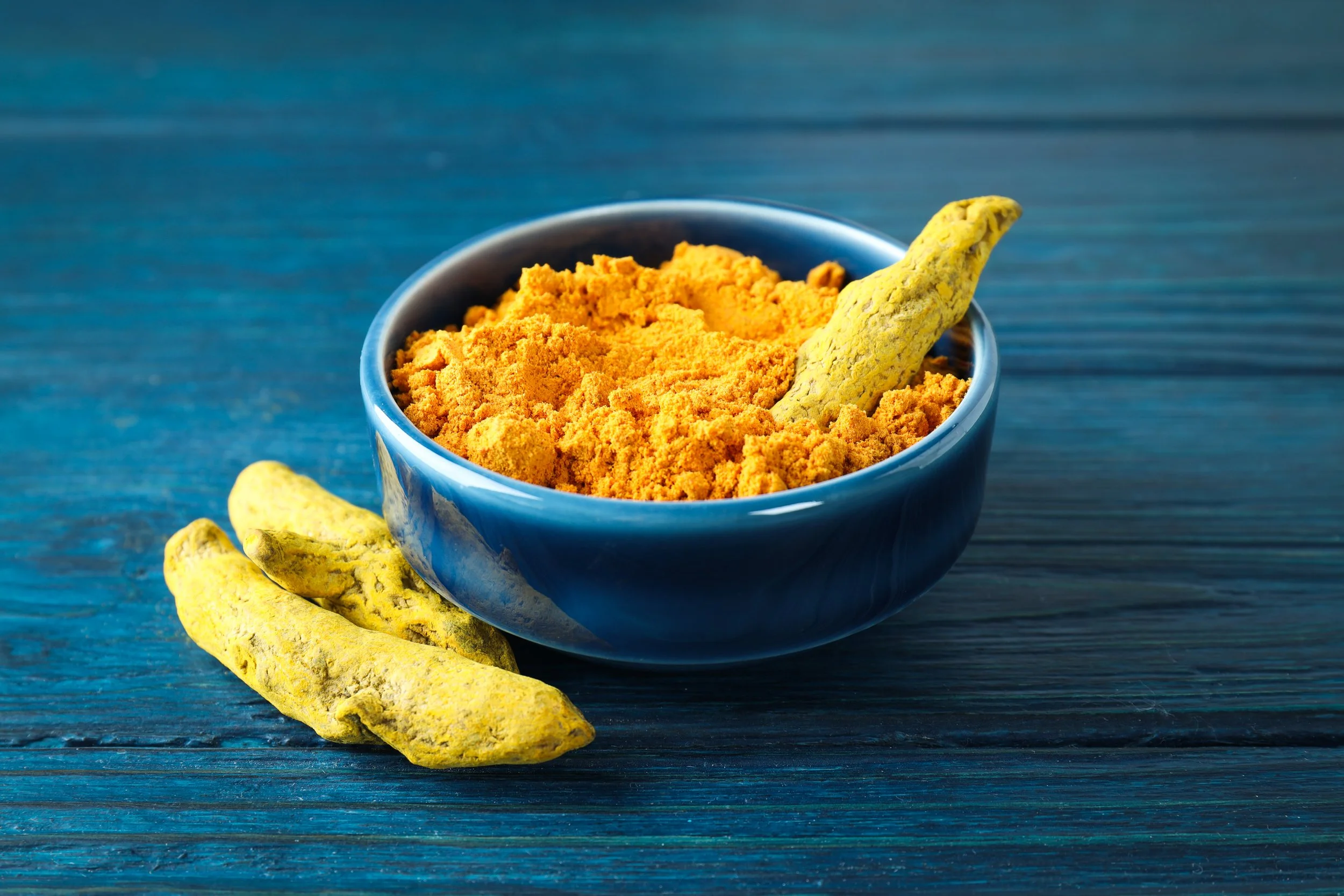
The medicinal portion of turmeric is the rhizome, an underground stem rich in bioactive compounds.
Traditional and Modern Herbal Actions
Turmeric is widely recognized for its antioxidant and anti inflammatory properties, as well as its role in supporting healthy lipid metabolism and normal circulatory function. Traditionally, it has been used to encourage bile flow, support liver health, promote digestive comfort, and assist tissue repair processes. It has also been applied externally for skin and wound support. Across multiple medical traditions, turmeric is viewed as a plant that supports movement and circulation, particularly in chronic or stagnant conditions.
Common Areas of Use
In contemporary herbal practice, turmeric is commonly discussed in relation to inflammatory conditions affecting the digestive tract, joints, and connective tissues. It is also associated with metabolic balance, liver support, immune regulation, and circulatory health. Historically, it has been used both preventively and as part of long term support strategies for chronic inflammatory states.
Traditional Chinese Medicine Perspective
Within Traditional Chinese Medicine, turmeric is described as having bitter and pungent qualities, with a warming to neutral energetic nature. Its primary actions include promoting blood movement, supporting menstrual regularity, moving stagnant qi to help relieve pain, and assisting conditions associated with wind and dampness that affect the joints and connective tissues.
Active Constituents
Turmeric contains a diverse range of phytochemicals that contribute to its biological activity. These include curcuminoids, a group of phenolic compounds responsible for many of the plant’s studied effects, as well as volatile oils composed of mono and sesquiterpenes. Additional constituents include polysaccharides, carotenoids, vitamins, minerals, and other bioactive compounds that together support turmeric’s antioxidant and anti inflammatory actions.
Safety and General Considerations
Turmeric is generally well tolerated and considered safe for most individuals when used appropriately. Rare allergic reactions have been reported, and mild digestive discomfort may occur in sensitive individuals. Caution is advised in cases involving gallbladder obstruction or known gallstones, and professional guidance is recommended when turmeric is used alongside medications that influence blood clotting. Individual circumstances should always be considered when using medicinal plants.
Pregnancy and Lactation
Turmeric has traditionally been regarded as suitable for use during pregnancy and breastfeeding when consumed in culinary amounts or under professional guidance.
Scientific Research Overview
Modern research has focused extensively on curcumin, one of the primary bioactive compounds found in turmeric. Studies suggest that curcumin influences inflammatory pathways by modulating enzymes and signaling molecules involved in the body’s inflammatory response. Additional research highlights antioxidant activity, support of healthy lipid metabolism, and protective effects at the cellular level.
Current Research Directions
Experimental and clinical studies have explored turmeric’s potential role in joint health, digestive inflammation, oxidative stress, and microbial balance. Emerging research has also examined its interaction with cellular signaling pathways associated with abnormal cell growth and chronic inflammation. While findings are promising, ongoing research continues to refine understanding of its mechanisms and appropriate applications.
Conclusion
Turmeric is a clear example of a traditional medicinal plant that continues to maintain relevance in modern health research. Its long history of use, combined with growing scientific interest, highlights its role as a supportive herb for inflammatory balance, digestive health, circulation, and overall physiological resilience. When used thoughtfully and appropriately, turmeric remains an important component of both traditional and modern herbal practice.
This article is intended for educational purposes only and does not constitute medical advice. Individuals who are pregnant, nursing, managing medical conditions, or taking prescription medications should consult a qualified healthcare professional before using herbal products.