
On Heartburn and Acid-Suppressing Medications
Modern clinical reality in holistic practice
As practitioners working within natural and holistic medicine, whether in naturopathy, Chinese medicine, or clinical herbalism, the patients seen in modern clinical practice do not always align with the classic constitutions or conditions described in traditional texts. One of the primary reasons for this shift is the widespread and long-term use of pharmaceutical medications.
Many commonly prescribed drugs create physiological states that are not inherently natural to the human body. Rather than supporting regulation, they often suppress or override normal biological processes. This places practitioners in a complex position, working with individuals whose bodies function in a state of what can be described as artificial balance.
Examples include hormonal contraceptives, hormone replacement therapies, cholesterol-lowering medications that inhibit liver cholesterol synthesis, psychiatric drugs that suppress neural signaling, and acid-suppressing medications, which are the focus of this article.
The role of digestive acid and digestive fire
Digestive acids, often referred to in traditional systems as digestive fire, are considered fundamental to health across virtually all medical traditions. Their importance becomes even more pronounced with age. A significant portion of chronic symptoms and degenerative conditions seen worldwide can be traced, directly or indirectly, to impaired digestive function.
A strong digestive system supports efficient breakdown of food, nutrient absorption, immune resilience, and metabolic balance. Conversely, weak digestion, characterized by insufficient digestive secretions, often contributes to fatigue, inflammation, food sensitivities, and systemic imbalance.
Digestive weakness and clinical patterns
In clinical practice, practitioners frequently observe compromised liver function, reduced bile production, and sluggish digestion. In traditional Chinese medicine, this pattern may be described as liver qi stagnation, often accompanied by elimination issues or poor nutrient assimilation. As a result, herbal protocols commonly include plants that support bile flow, stimulate pancreatic enzyme activity, and gently activate digestive processes.
The contradiction of acid-suppressing medications
A significant therapeutic challenge arises when individuals, often over the age of forty, present while using acid-suppressing medications. At this stage of life, digestive capacity naturally declines, and gastric secretions become increasingly important. Acid-suppressing drugs directly counter this need by reducing stomach acid production, creating a contradiction between physiological requirements and pharmaceutical intervention.
Heartburn as a symptom, not the root cause
Acid-suppressing medications are typically prescribed to relieve heartburn and acid reflux symptoms associated with the upward movement of stomach acid. In traditional frameworks, this pattern is sometimes described as rebellious stomach energy. Heartburn may be associated with conditions such as gastritis, peptic ulceration, elevated levels of Helicobacter pylori, or general irritation of the gastric lining.
From a holistic perspective, heartburn is rarely viewed as the primary problem. Instead, it is understood as a surface expression of deeper imbalances, which may include chronic stress, poor dietary habits, irregular eating patterns, and functional weakness of the liver, pancreas, and digestive system as a whole.
Limitations and side effects of long-term acid suppression
Suppressing stomach acid may reduce discomfort in the short term, but it often interferes with the body’s ability to restore digestive balance. Long-term use of acid-suppressing medications has also been associated with a range of potential side effects, including nutrient malabsorption, food sensitivities, neurological symptoms, mood changes, dizziness, and headaches.
Discontinuing these medications can be difficult. When acid suppression is removed, the stomach may quickly resume acid production, which can irritate an already compromised gastric lining. In addition, many herbs traditionally used to strengthen digestion are bitter in taste and may aggravate individuals prone to reflux or burning sensations.
Demulcent herbs and mucosal support
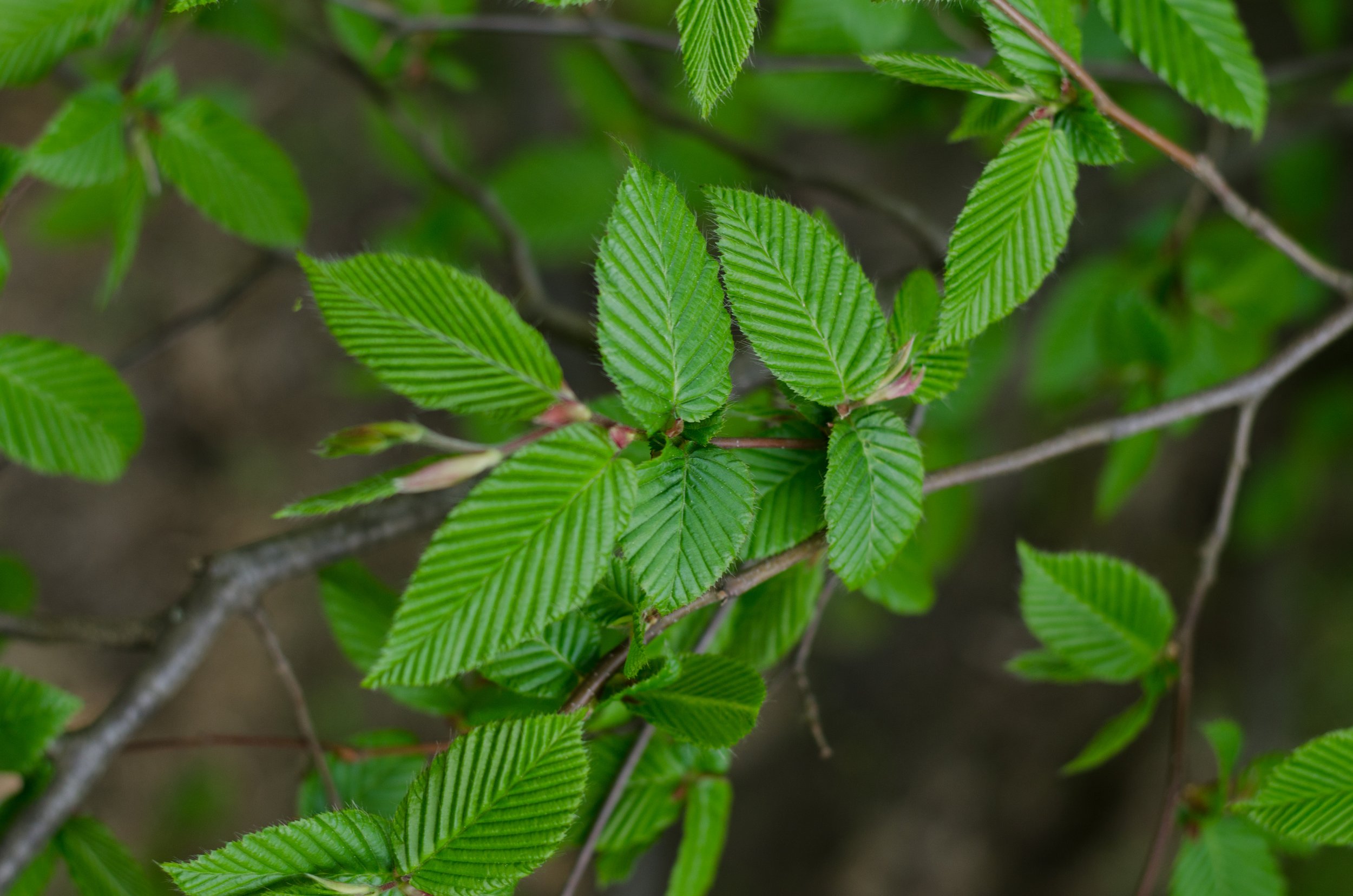
One of the most effective herbal strategies in these cases involves the use of demulcent plants. These herbs have a naturally soothing, mucilaginous quality and a mild, often slightly sweet flavor. Their primary action is to coat, protect, and support the repair of the stomach’s mucosal lining, easing irritation without suppressing essential digestive secretions.
Among the most well-known demulcent herbs is Ulmus rubra, commonly referred to as slippery elm. It contains a high concentration of mucilage and has a long history of use for soothing irritated tissues of the digestive tract.
Demulcent herbs are often combined with other gentle, supportive plants that help calm inflammation, reduce spasm, and promote tissue repair while preserving digestive function. These approaches are commonly applied in cases of heartburn, gastritis, peptic irritation, and during the gradual transition away from acid-suppressing medications.
Restoring balance rather than suppressing symptoms
When used thoughtfully and alongside appropriate dietary and lifestyle adjustments, herbal medicine aims not to silence symptoms, but to support the body’s inherent capacity for regulation, healing, and long-term digestive resilience.
This article is intended for educational purposes only and does not constitute medical advice. Individuals who are pregnant, nursing, managing medical conditions, or taking prescription medications should consult a qualified healthcare professional before using herbal products.