
Echinacea, Immune Resilience, and the Herbal Medicine Approach to Illness
When people think about immune support, they often focus on prevention. The common question is what can be taken to avoid getting sick. This is a reasonable concern, but it is only one part of immune health. From a holistic herbal medicine perspective, the way the body moves through illness is just as important as the attempt to prevent it. Acute illness can be understood as an active physiological process in which the body mobilizes its defenses, clears what needs to be cleared, and works to restore balance.
Understanding Immune Resilience
Immune resilience is not simply the absence of illness. It is the ability of the body to respond appropriately when illness occurs, move through the process efficiently, and recover without unnecessary depletion. A resilient immune system is not one that never reacts. It is one that can mount a clear response, regulate inflammation, and return to balance after the acute phase has passed.
Daily health practices form the foundation of this process. Clean nutrition, regular physical activity, stress reduction, and restorative sleep all influence immune function. When the body is depleted, undernourished, overstressed, or sleep deprived, acute illness may last longer, feel more intense, or leave the person weaker afterward.
Illness as an Active Process
Modern conventional medicine often approaches sickness as something to avoid or suppress as quickly as possible. This can be necessary in certain situations, especially when symptoms are severe or complications are present. However, traditional holistic approaches also recognize that acute illness may serve a functional role.
Fever, mucus, sweating, fatigue, and inflammation may all reflect the body’s active response. These symptoms are not always the enemy. They can be signs that the immune system is working to clear infection, release excess, and restore internal balance. The clinical question is not only how to stop symptoms, but how to help the body complete the process safely and effectively.
The Risk of Excessive Symptom Suppression
In holistic medicine, symptoms are assessed as part of a broader pattern. Suppressing symptoms too aggressively may interfere with the body’s natural process when the illness is mild and self limited. From this perspective, pushing symptoms down before the body has completed its work may leave the underlying imbalance unresolved.
This does not mean symptom relief is never appropriate. It means that timing, severity, and the individual’s condition matter. A mild fever, productive mucus, or temporary fatigue may require support rather than immediate suppression. Severe symptoms, prolonged illness, dehydration, breathing difficulty, confusion, or rapid worsening require medical evaluation.
Immune Stimulating Herbs
When the body is already moving through an acute illness, immune stimulating herbs may be used to help strengthen and direct the immune response. These herbs are often most useful at the onset of illness, when the first signs appear. This may include a scratchy throat, swollen glands, chills, fatigue, or the feeling that the body is beginning to fight something.
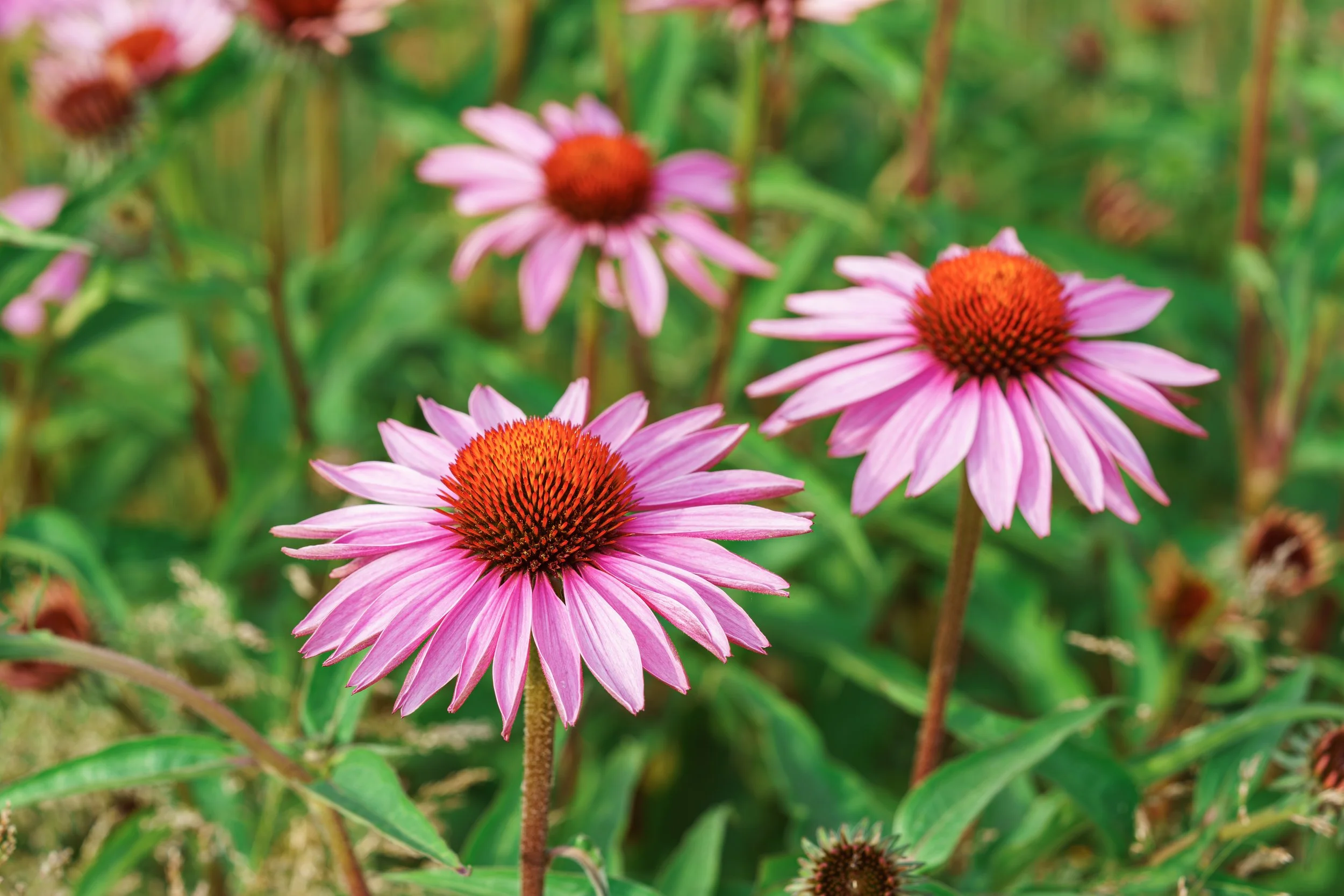
One of the most well known herbs in this category is echinacea. Echinacea has a long history of use in traditional Western herbal medicine for immune activation. It is commonly used during the early stages of acute illness to help the body respond more effectively.
Echinacea and the Acute Immune Response
Echinacea is traditionally used to stimulate immune activity and support the body’s natural defenses. It is not used simply to mask symptoms. Its role is to help the body engage with the illness more clearly and move through the acute process more efficiently.
In some cases, echinacea may support a stronger immune response, including a rise in body temperature. From a traditional perspective, this may indicate that the body is actively working to resolve the illness. Even when no fever is present, echinacea may still be used to support immune activity during the early phase of illness.
Timing is an important clinical consideration. Echinacea is generally most useful when taken at the onset of illness rather than after symptoms have already progressed for several days.
Choosing the Right Form of Echinacea
Echinacea is available in several forms, including capsules, teas, powders, and liquid extracts. In clinical herbal practice, liquid tinctures are often preferred because they are practical, fast to use, and easy to adjust during acute illness.
Commonly used species include Echinacea purpurea and Echinacea angustifolia. A quality product should clearly list the plant species on the label. This matters because vague labeling makes it difficult to know what the preparation contains. A trusted source and well prepared tincture can provide more consistent potency and reliability.
Combining Echinacea With Ginger
Echinacea may also be combined with ginger for added support. Fresh ginger is warming, stimulating, and traditionally used to support circulation, digestion, and the body’s response to cold or stagnant conditions.
A simple ginger tea can be made by adding a few slices of fresh ginger to hot water. This can be used alongside echinacea during the early stages of illness, especially when there are chills, sluggishness, or a need for warming support. Keeping echinacea at home and fresh ginger in the refrigerator allows for early support when illness begins.
Clinical Considerations and Professional Guidance
Although echinacea is widely used, it is not appropriate for every person or every situation. People with autoimmune conditions, complex immune disorders, allergies to plants in the Asteraceae family, chronic illness, pregnancy, or those taking immune modulating medications should seek professional guidance before using it.
Acute illness should also be assessed carefully. High fever, difficulty breathing, severe weakness, dehydration, confusion, persistent symptoms, or symptoms that worsen quickly require medical evaluation. Herbal medicine is most effective when the herb, form, timing, and protocol are matched to the individual and the stage of illness.
Related video: Watch our video on Echinacea and immune resilience for a practical look at how herbal medicine approaches acute illness, immune activation, and recovery. https://youtu.be/KcZNpB1pTSg?si=BlttPWkH-HMxOmDR
This article is intended for educational purposes only and does not constitute medical advice. Individuals who are pregnant, nursing, managing medical conditions, or taking prescription medications should consult a qualified healthcare professional before using herbal product