
Brain Health - Five Evidence-Informed Medicinal Plants
Cognitive decline, dementia, and neurodegenerative conditions such as Alzheimer’s disease represent some of the most significant health challenges associated with aging. While conventional medicine focuses largely on symptom management once disease is established, a preventive approach aimed at supporting brain physiology earlier in life offers far greater potential for preserving long-term cognitive function.
Once cognitive decline has progressed, treatment becomes increasingly complex and limited, regardless of whether conventional or natural approaches are used. For this reason, prevention and early support are central principles in holistic and clinical herbal medicine. Supporting neurological resilience before significant deterioration occurs allows the brain to maintain function, adaptability, and metabolic balance for a longer period of time.
Why Prevention Matters
Neurodegenerative changes often begin years, or even decades, before noticeable symptoms appear. During this long preclinical phase, subtle changes in circulation, oxidative stress, inflammation, neurotransmitter balance, and metabolic health gradually affect cognitive performance. Addressing these factors early can help slow progression and preserve quality of life.
Research consistently shows that individuals who support brain health earlier in adulthood tend to maintain better cognitive performance with age. Preventive strategies are therefore not limited to those experiencing symptoms, but are relevant for many individuals beginning around the age of fifty, and in some cases earlier, depending on lifestyle, health history, and genetic risk factors.
Five Medicinal Plants for Brain Health
A growing body of research highlights several medicinal plants that support cognitive function through distinct but complementary mechanisms. These herbs have been studied extensively and are commonly used in clinical herbal practice as part of long-term brain support protocols.
Ginkgo biloba

Ginkgo biloba is one of the most extensively researched medicinal plants worldwide. Studies dating back to the 1960s demonstrate that standardized Ginkgo extracts support memory, concentration, and overall cognitive performance. Its primary mechanisms include improving cerebral blood flow, particularly within small blood vessels, and providing antioxidant protection to neural tissue. These effects are especially relevant in age-related cognitive changes where circulation and oxidative stress play a central role.
Saffron (Crocus sativus)
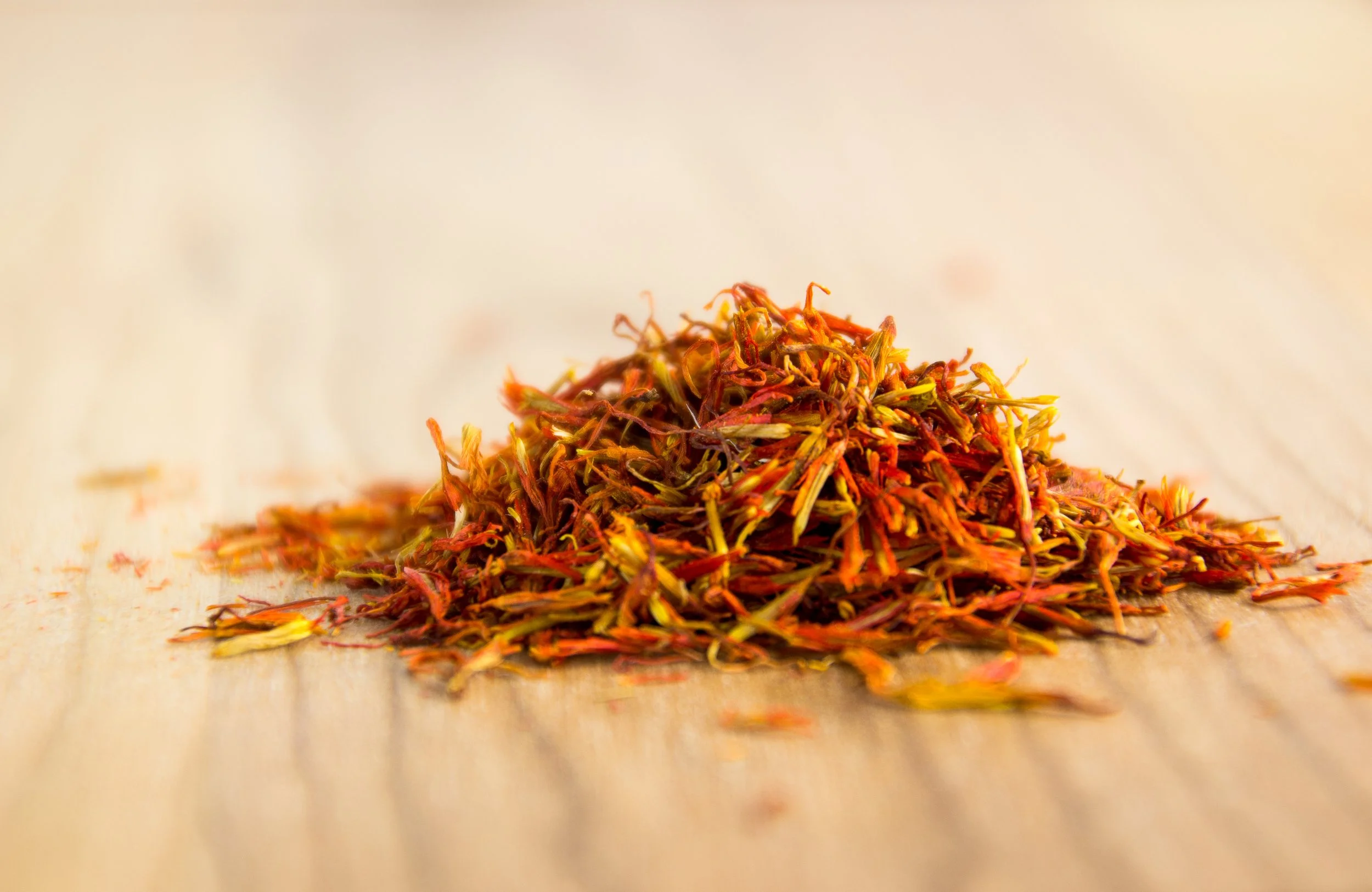
Saffron has gained significant attention in recent years for its effects on mood, cognition, and neuroprotection. Controlled clinical trials have shown that standardized saffron extracts can support cognitive function and help manage mild to moderate Alzheimer’s disease, with outcomes comparable to certain pharmaceutical treatments and fewer reported side effects. One of saffron’s advantages is its potency at very low doses, making it suitable for long-term use when appropriately formulated.
Lion’s Mane Mushroom (Hericium erinaceus)
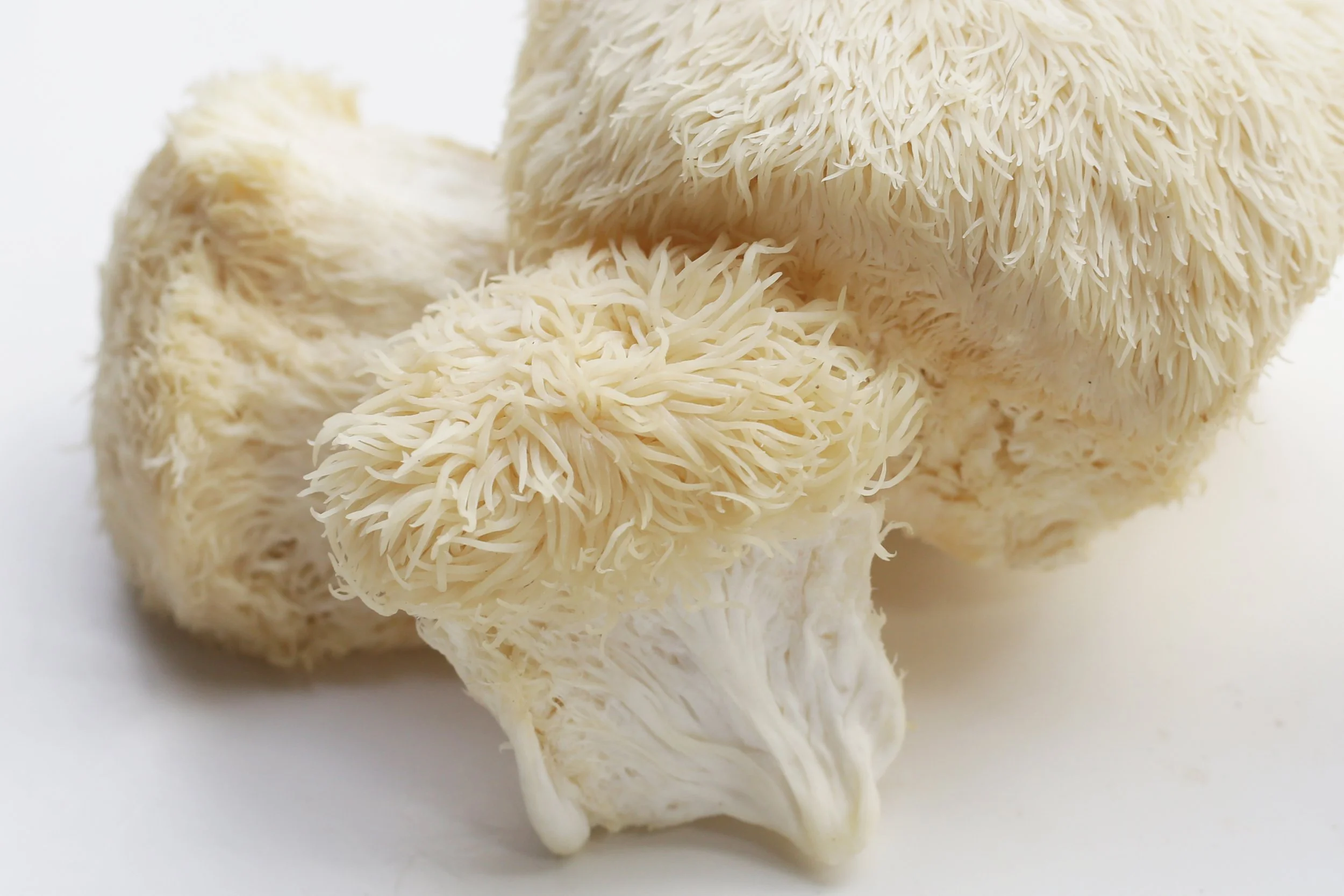
Lion’s Mane is among the most researched medicinal mushrooms for brain health. It contains unique compounds that support nerve growth factor activity, a key element in neuronal repair, maintenance, and plasticity. Clinical and experimental studies suggest benefits for memory, learning, and cognitive performance, particularly during early stages of decline. Its role in supporting neural regeneration makes it especially relevant in preventive protocols.
Fenugreek (Trigonella foenum-graecum)
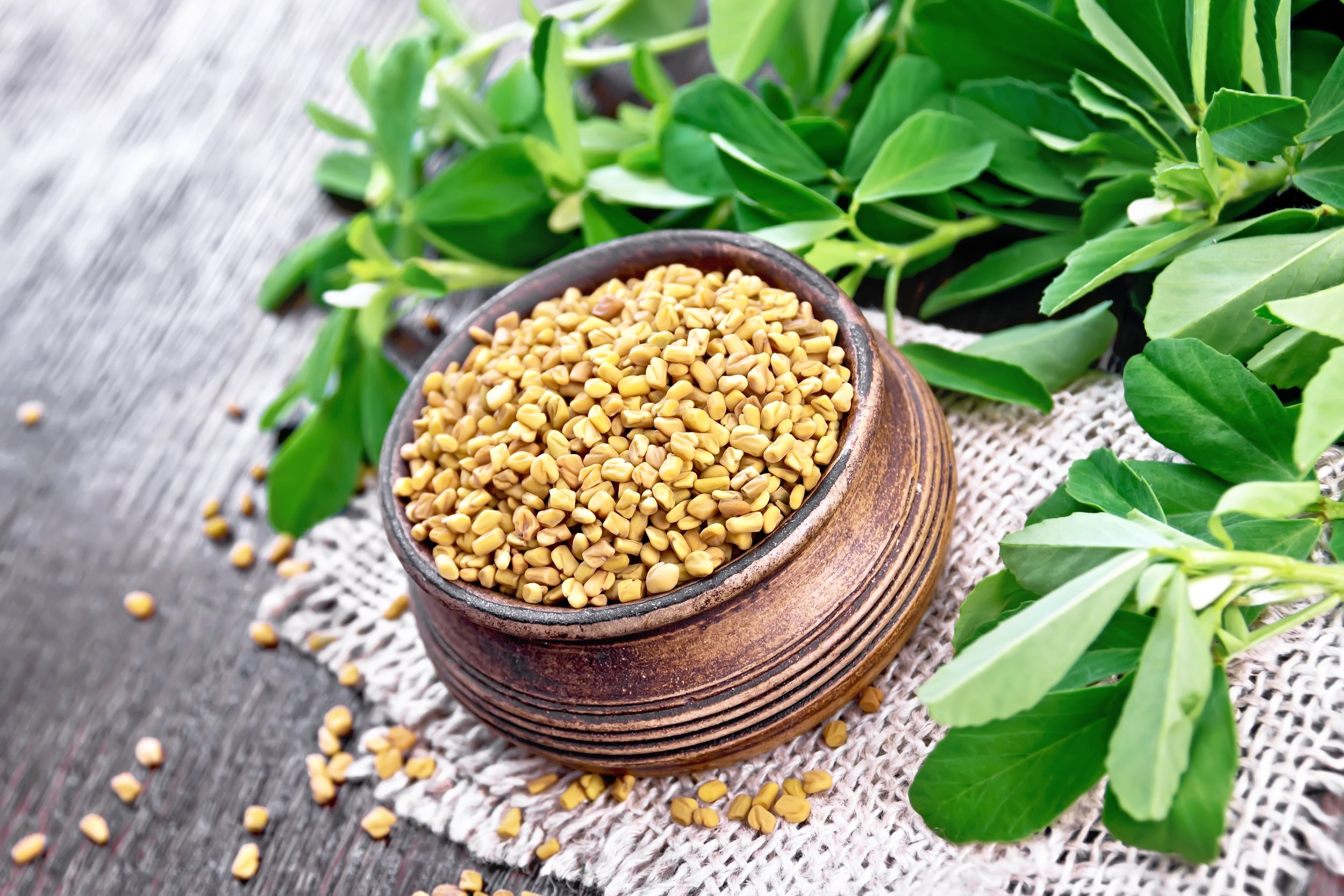
Fenugreek is traditionally associated with metabolic and cardiovascular health, both of which are closely linked to cognitive function. Research indicates that fenugreek may support memory, mood, and overall quality of life while improving blood sugar regulation, lipid balance, and vascular health. Because metabolic dysfunction and insulin resistance are increasingly recognized as contributors to cognitive decline, fenugreek plays an important supportive role in comprehensive brain health strategies.
Rhodiola rosea
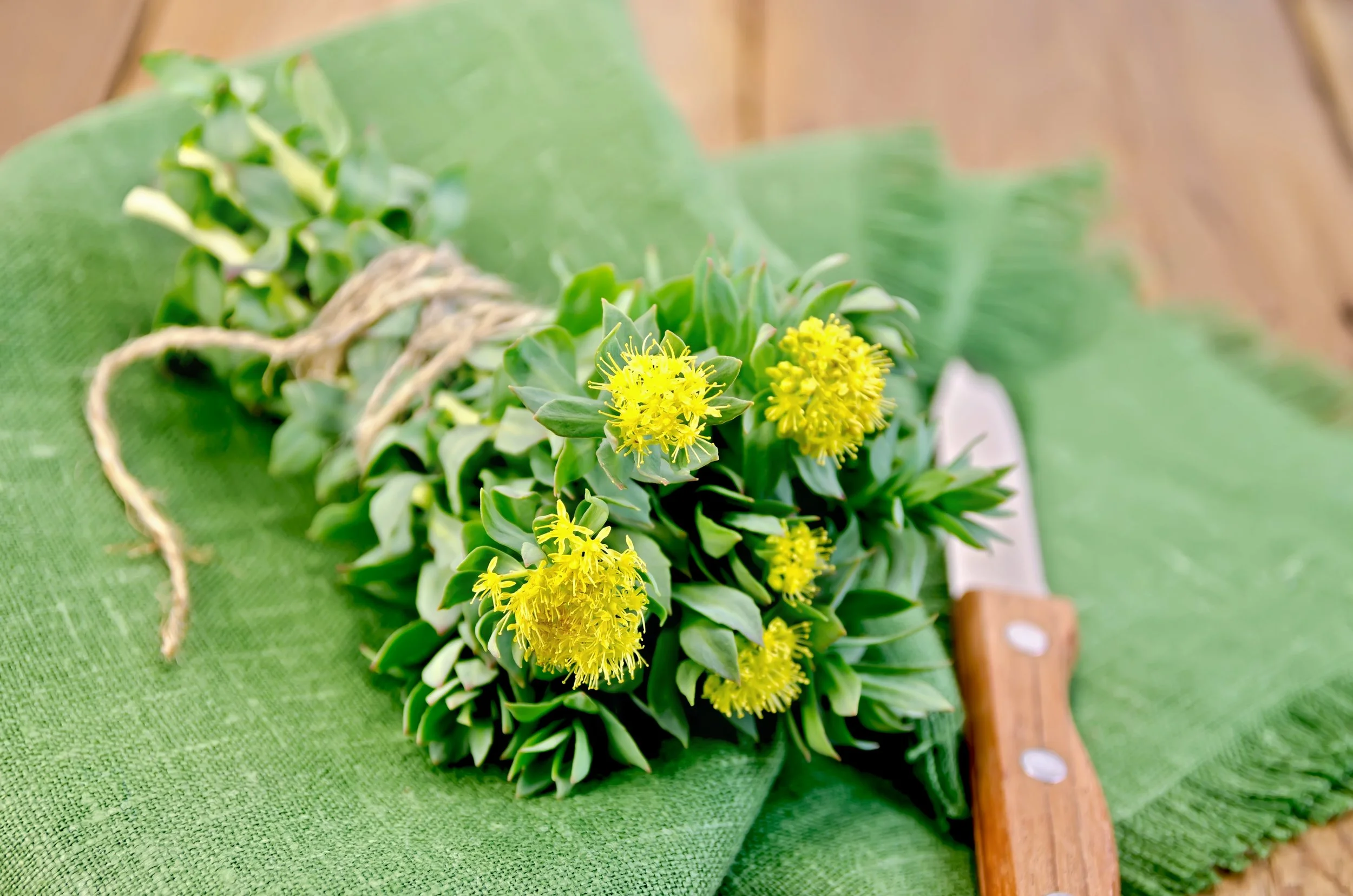
Rhodiola rosea, often referred to as Golden Root, is an adaptogenic herb studied for its effects on mental performance, stress resilience, and neurological endurance. It influences key neurotransmitters involved in focus, motivation, and cognitive stamina. Clinical research supports its use for improving memory, concentration, learning capacity, and resistance to mental fatigue, particularly under conditions of stress or cognitive demand.
Long-Term Brain Support
These five medicinal herbs support brain health through multiple complementary mechanisms, including circulation, neuroprotection, metabolic regulation, and stress resilience. When introduced before symptoms appear, or during early stages of cognitive change, they may help slow progression when used consistently. For best results, it is recommended to consult with a clinically trained herbal medicine practitioner to determine the most appropriate herbs, forms, and protocols.
Herbal medicine is most effective when integrated into a broader lifestyle approach. Clean nutrition, regular physical activity, stress management, and restorative sleep remain foundational components of long-term cognitive health. Herbal support works best as part of a comprehensive strategy that addresses the full physiological context in which brain function exists.
Related video: Watch our video on Echinacea and immune resilience for a practical look at how herbal medicine approaches acute illness, immune activation, and recovery. https://youtu.be/0kgYZChWKtk?si=7B_O4DoDjJFl7Hyh
This article is intended for educational purposes only and does not constitute medical advice. Individuals who are pregnant, nursing, managing medical conditions, or taking prescription medications should consult a qualified healthcare professional before using herbal products.