
Seasonal Allergies and Natural Support
Seasonal allergies affect millions of people worldwide and can significantly impact daily comfort, sleep quality, and overall well-being. While conventional approaches often focus on symptom suppression, a deeper understanding of immune regulation and underlying physiological patterns offers a broader perspective on why allergic responses develop. This article explores seasonal allergies through a natural medicine lens, examining immune mechanisms, common triggers, and foundational principles of long-term support.
Understanding Seasonal Allergies
An estimated twenty to thirty percent of the world’s population experiences allergic conditions. Seasonal allergies occur when the immune system reacts in an exaggerated and unbalanced way to substances that are normally harmless, such as pollen, dust, or mold spores. Under healthy circumstances, the immune system protects the body from bacteria, viruses, and parasites. When this system becomes dysregulated, everyday environmental factors can trigger an immune response.
The Immune Response and Allergy Symptoms
When an allergen enters the body and binds to a specific antibody in the bloodstream, it triggers a cascade of chemical reactions. These reactions activate mast cells, which release histamine and other inflammatory compounds. This process leads to common allergy symptoms such as sneezing, itching, watery eyes, nasal congestion, skin rashes, wheezing, and shortness of breath.
Common Allergic Conditions
A range of allergic conditions fall under the category of atopic diseases. These include hay fever, asthma, and atopic dermatitis. Common manifestations include eye inflammation with redness and tearing, allergic rhinitis marked by clear nasal discharge and sneezing, asthma with coughing and wheezing, and skin reactions such as eczema and urticaria, which present as red, itchy rashes.
Common Allergy Triggers
Among the most common allergy triggers worldwide is household dust, which often contains microscopic dust mites. Other frequent allergens include pollen, mold spores, certain foods such as milk and eggs, artificial preservatives and food dyes, pet fur or feathers, insect stings, and various medications.
A Natural Medicine Perspective
Assuming the body is an inseparable part of nature, natural medicine seeks to understand why the body produces an allergic response in the first place. This approach goes beyond identifying and avoiding allergens and is individualized, addressing the unique constitution and physiology of each person.
Conventional Treatment vs Long-Term Support
During acute allergic flare-ups, conventional medicine offers effective symptom relief through antihistamines and steroid medications. Natural medicine, however, focuses less on suppressing symptoms and more on supporting long-term balance within the body.
Historical Use of Herbs
Historically, herbs such as Ephedra sinica were used for short-term relief of hay fever and asthma, though their use is now restricted or regulated in many regions.
Supporting the Body’s Elimination Systems
The core strength of natural medicine lies in supporting the body over time to reduce the frequency and intensity of allergic episodes. This includes supporting key metabolic and elimination organs such as the liver, lymphatic system, kidneys, and lungs. When these systems function optimally, the body can eliminate waste through digestion, urination, and seasonal cleansing processes. Seasonal illnesses are often signs of the body attempting to restore balance rather than evidence of dysfunction.
When elimination pathways weaken, toxins may accumulate in tissues. The body may then express symptoms such as allergies, migraines, or gout as a way of managing excess internal burden.
Why Allergies Flare During Seasonal Transitions
Seasonal transitions are a common time for allergy flare-ups. Respiratory symptoms often appear in autumn, while skin reactions and hay fever are more common in spring. In traditional medical frameworks, the lungs are associated with autumn and the liver with spring, both seasons of change and renewal. During these periods, the body may naturally attempt to release accumulated waste, and supportive care is often more beneficial than suppression.
The Limits of Symptom Suppression
While natural medicine may not always provide immediate symptom suppression, an exclusively symptom-focused approach can interfere with the body’s natural regulatory processes and contribute to recurring imbalance.
Nettle for Seasonal Allergy Support (Urtica spp.)
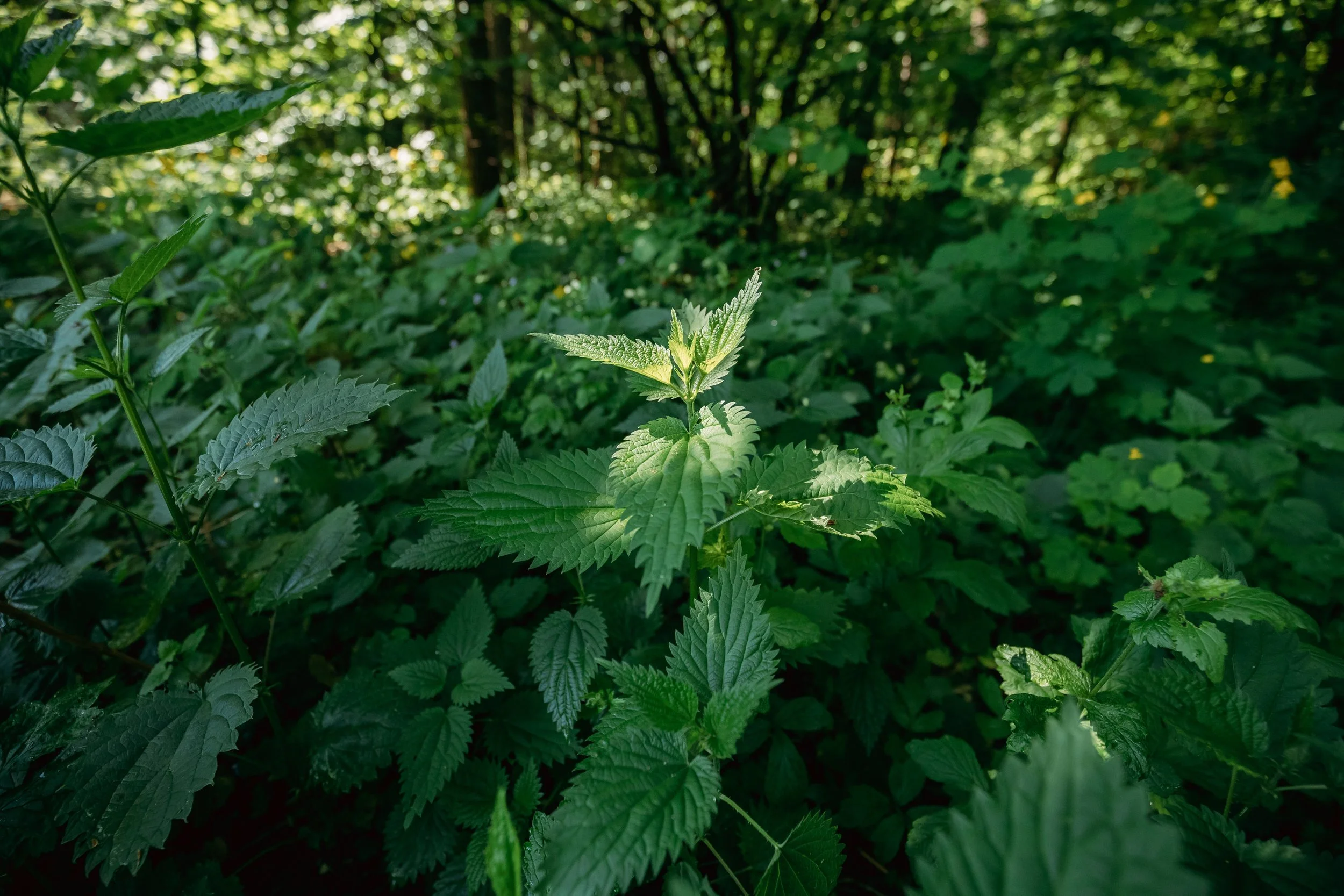
One of the most accessible and widely used herbs for seasonal allergy support is nettle. Nettle has a long history of traditional use for both respiratory and skin-related allergic symptoms, including urticaria. Modern research supports its role in helping modulate inflammatory and histamine-related responses.
Nettle is commonly prepared as an herbal infusion or taken in other traditional forms, typically under professional guidance. It is widely available through health-focused retailers and is generally well tolerated when used appropriately.
This article is intended for educational purposes only and does not constitute medical advice. Individuals who are pregnant, nursing, managing medical conditions, or taking prescription medications should consult a qualified healthcare professional before using herbal products.