
Antioxidant Herbs as Preventive, Complementary Herbal Support and for Improved Quality of Life
In recent years, there has been a noticeable global increase in the use of dietary supplements, including medicinal herbs described as having antioxidant activity. This trend reflects growing awareness of long term health challenges such as metabolic imbalance, cardiovascular risk factors, chronic inflammatory conditions, and immune related disorders. At the same time, the public is exposed to a constant flow of scientific studies, health trends, and marketing claims, some grounded in solid research and others influenced by commercial interests. As a result, many people seek preventive strategies but are often uncertain which products are truly beneficial and how to use them effectively.
Antioxidant herbs can play a meaningful role as complementary, preventive support when used thoughtfully and as part of a broader lifestyle approach. Their effectiveness depends less on popularity and more on understanding preparation quality, appropriate use, and individual suitability. Two practical questions should always be addressed. What exactly does the product contain, and does its form and use match the individual and the intended purpose.
Understanding preparation quality
One of the most important considerations before using any antioxidant supplement is the form in which the plant is prepared. A powdered whole plant and a properly produced extract may share the same botanical name yet differ greatly in their physiological impact. In many cases, powdered herbs function primarily as nutritional or culinary additions rather than clinically meaningful support. Concentrated extracts, when manufactured responsibly, provide more consistent delivery of active constituents.
Many consumers select products based solely on the plant name without considering extraction methods, concentration, or quality standards. Most of the time, the issue is not harm but limited benefit. This often leads to the assumption that herbal medicine is ineffective, when in reality the mismatch lies in preparation choice rather than the plant itself.
The question of dosage
Another common issue is the tendency to combine multiple supplements with similar antioxidant claims, each taken in a minimal amount. This approach frequently results in diluted effects rather than meaningful support. A more effective strategy is to select fewer, higher quality preparations and use them consistently, aligned with a clear health objective.
Guidance from a qualified practitioner can be helpful, not because herbs are inherently complex, but because individual factors such as constitution, sensitivity, medication use, and long term goals matter. Proper alignment between the person, the plant, and the preparation is what transforms general wellness ideas into a coherent and effective approach.
What antioxidant activity means in herbal medicine
Oxidation is a natural physiological process. The body produces reactive oxygen species as part of energy metabolism and immune activity. Problems arise when oxidative processes exceed the body’s regulatory capacity, particularly in the presence of chronic stress, inflammation, poor sleep, nutrient insufficiency, environmental exposure, and metabolic strain. Over time, oxidative imbalance may contribute to tissue wear, vascular changes, and accelerated aging processes.
Many medicinal plants contain polyphenolic compounds such as flavonoids and proanthocyanidins. These constituents are associated with modulation of oxidative processes and are commonly used in long term preventive strategies. In clinical herbal practice, antioxidant activity is rarely the sole reason for selecting a plant. Instead, it is one component of a broader therapeutic profile that supports resilience and systemic balance over time.
Antioxidant herbs are most effective when integrated into a healthy lifestyle framework. They are not substitutes for nutrition, physical activity, sleep, or stress management, but supportive tools that complement these foundations.
Selected antioxidant herbs and medicinal mushrooms
Turmeric, Curcuma longa
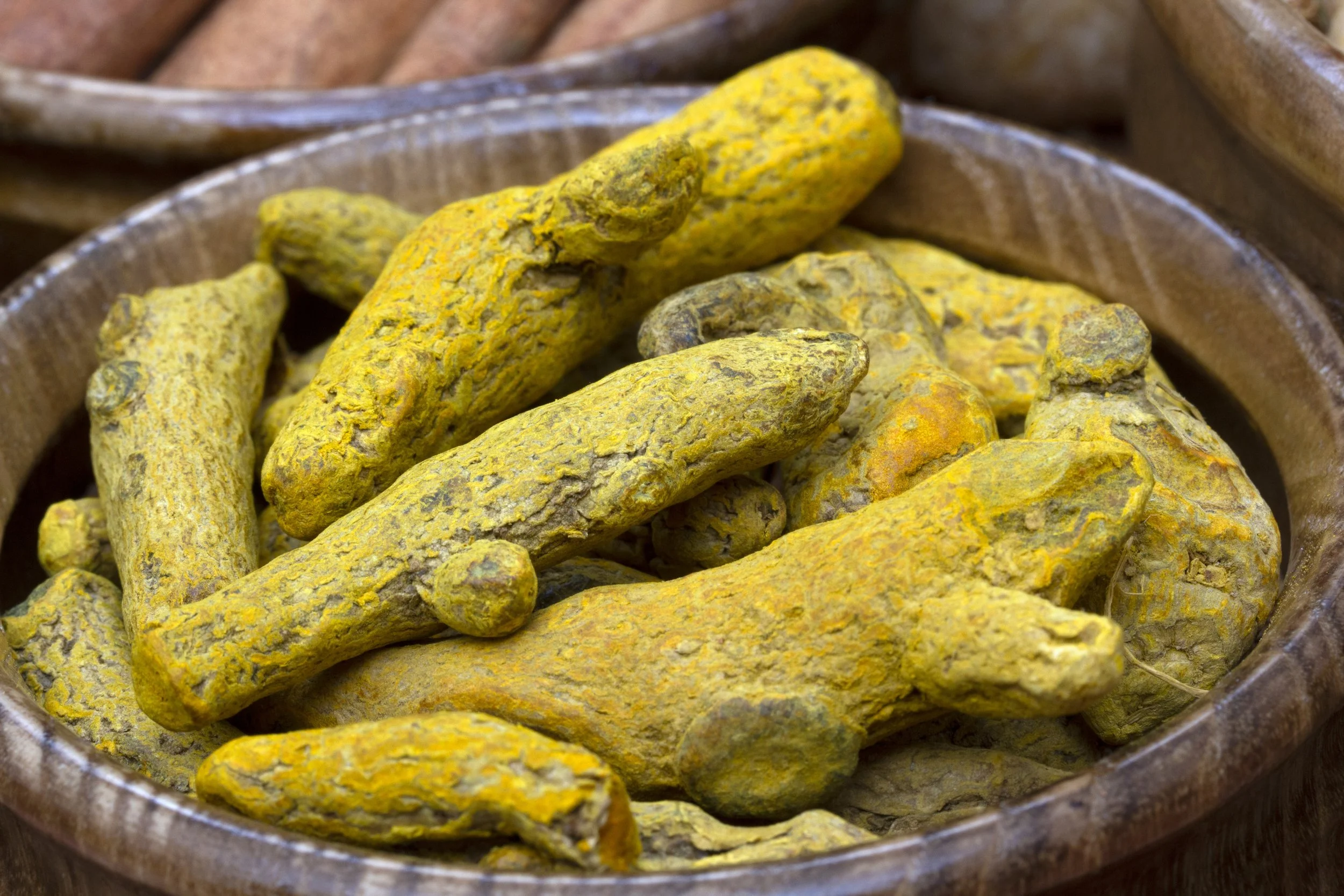
Turmeric has been used for thousands of years as both food and medicine, originating in South Asia and later spreading globally. It belongs to the ginger family and has traditionally been associated with digestive support and systemic balance. In modern herbal practice, turmeric is generally regarded as a gentle plant suitable for long term, preventive use rather than acute intervention.
Its antioxidant reputation is closely linked to its polyphenolic profile and its broader role in supporting inflammatory balance, joint comfort, and metabolic resilience. Outcomes depend heavily on preparation quality and bioavailability, making turmeric a clear example of why formulation matters.
Green tea, Camellia sinensis
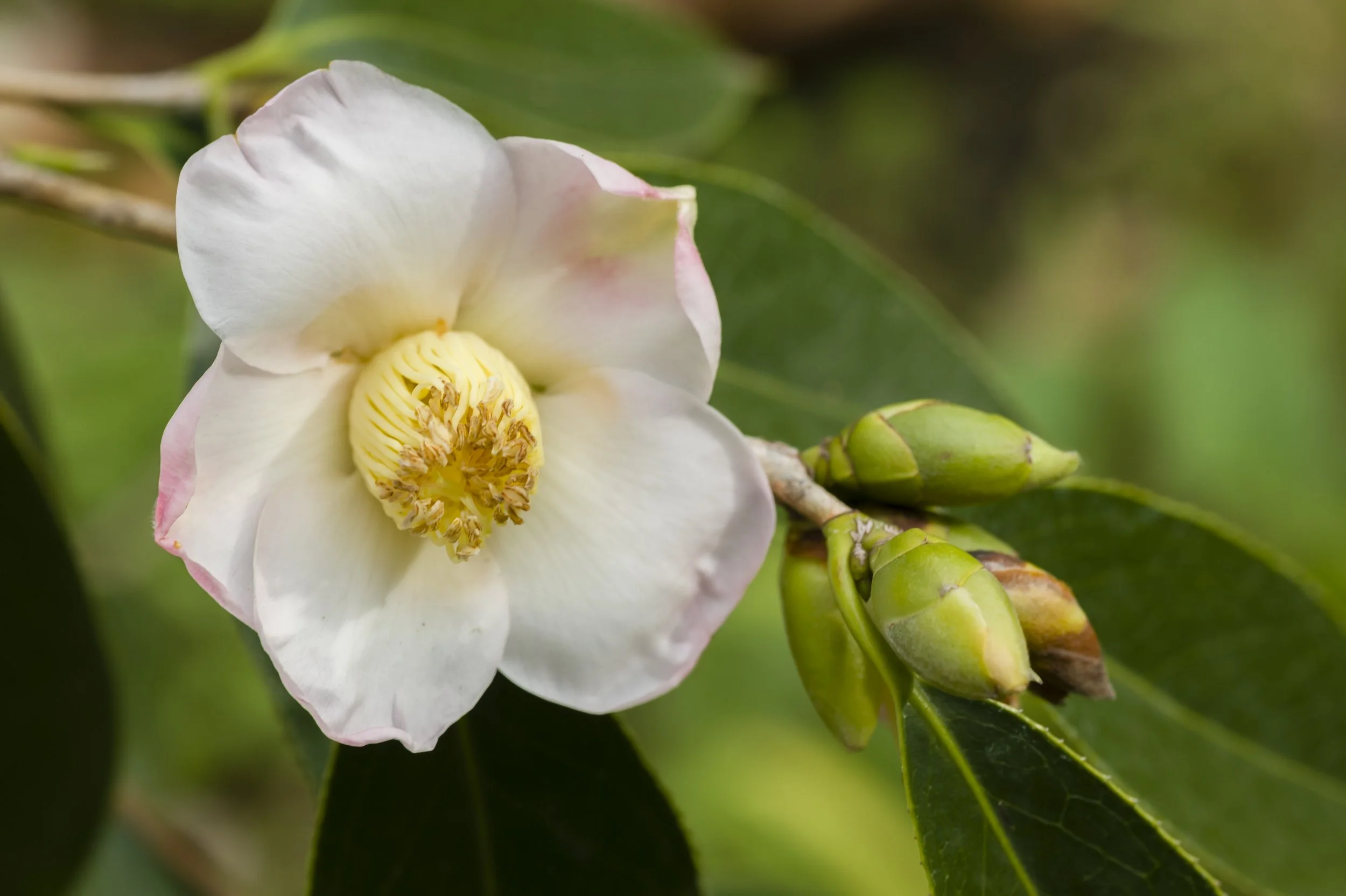
Green tea has a long history of cultural and medicinal use in East Asia. Unlike fully fermented teas, green tea undergoes minimal processing, preserving much of its polyphenolic content. Traditionally, it has been associated with alertness, digestion, and fluid metabolism.
In contemporary use, green tea is often integrated as a daily habit rather than a short term supplement. Its antioxidant properties are frequently discussed in relation to cellular resilience and cardiovascular support. Sensitivity to its stimulating qualities varies, and individual tolerance should guide form and timing.
Goji berry, Lycium barbarum
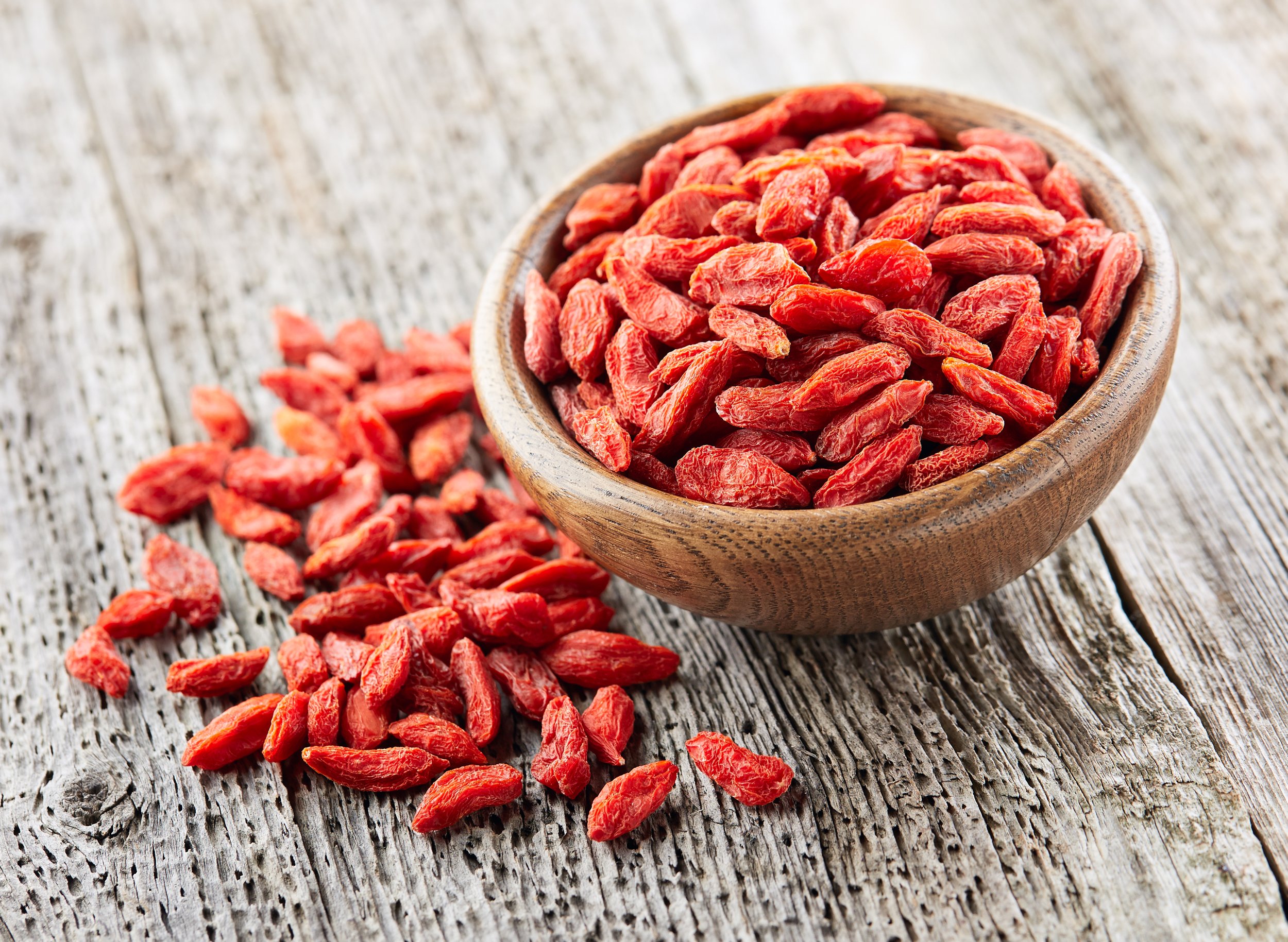
Goji berries have been used for centuries in East Asian traditions as a nourishing, food like botanical. They are commonly associated with healthy aging themes, visual support traditions, and general vitality.
In modern herbal practice, goji is often viewed as a gentle, long term supportive plant rather than a targeted intervention. Its antioxidant role is part of a broader nutritional and tonic profile. Individual compatibility and quality sourcing remain essential considerations.
Schisandra, Schisandra chinensis
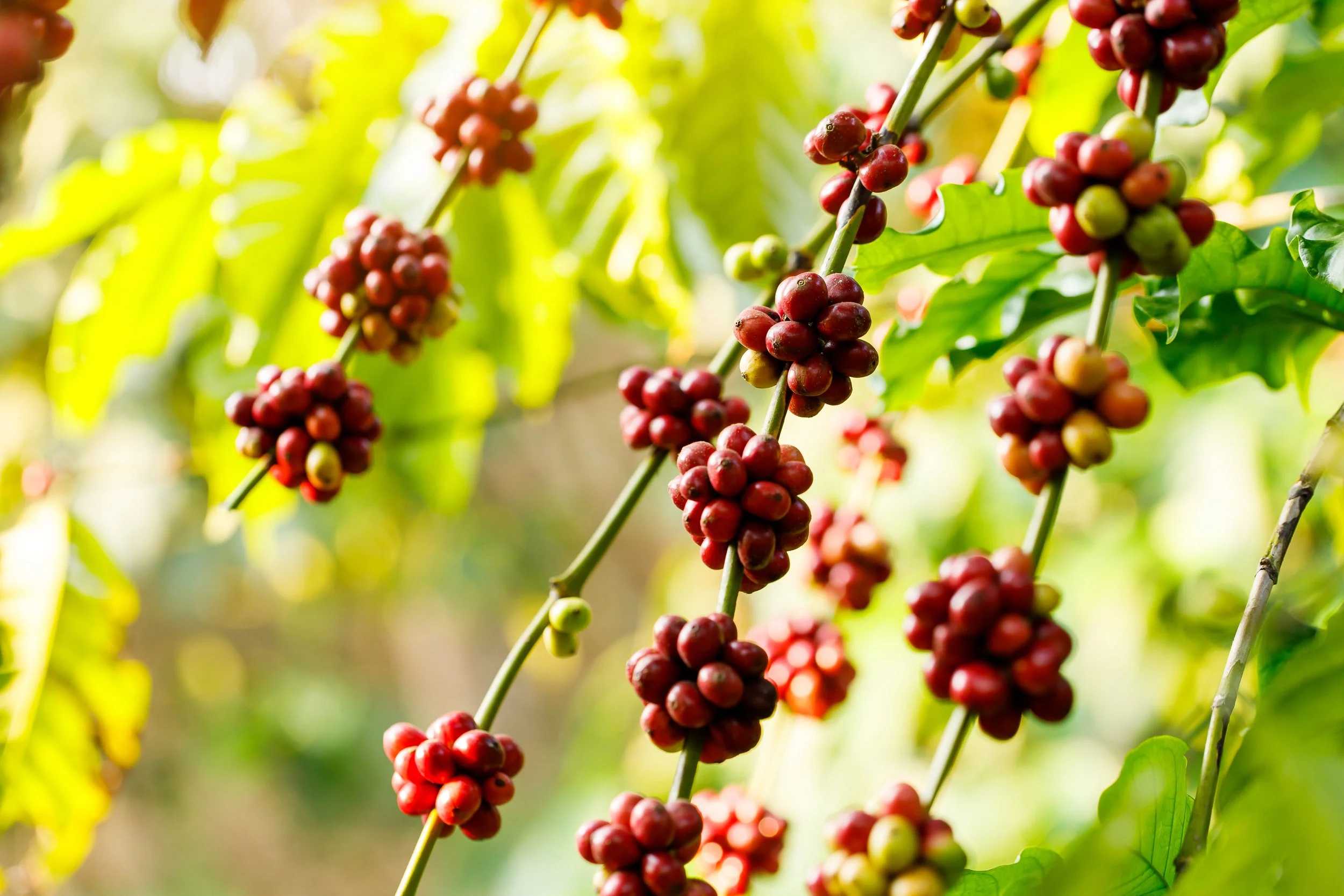
Schisandra is traditionally known as the five flavor berry, reflecting its complex taste profile. It has a long history of use in East Asian herbal systems and is often discussed in relation to stress adaptation, endurance, and metabolic regulation, particularly involving liver related processes.
Clinically, schisandra is frequently considered when long term stress, reduced stamina, and recovery demands are present. Its antioxidant activity is understood within the wider context of resilience and adaptive support. Due to its physiological activity, individualized guidance is recommended, especially for those taking medications.
Reishi, Ganoderma lucidum
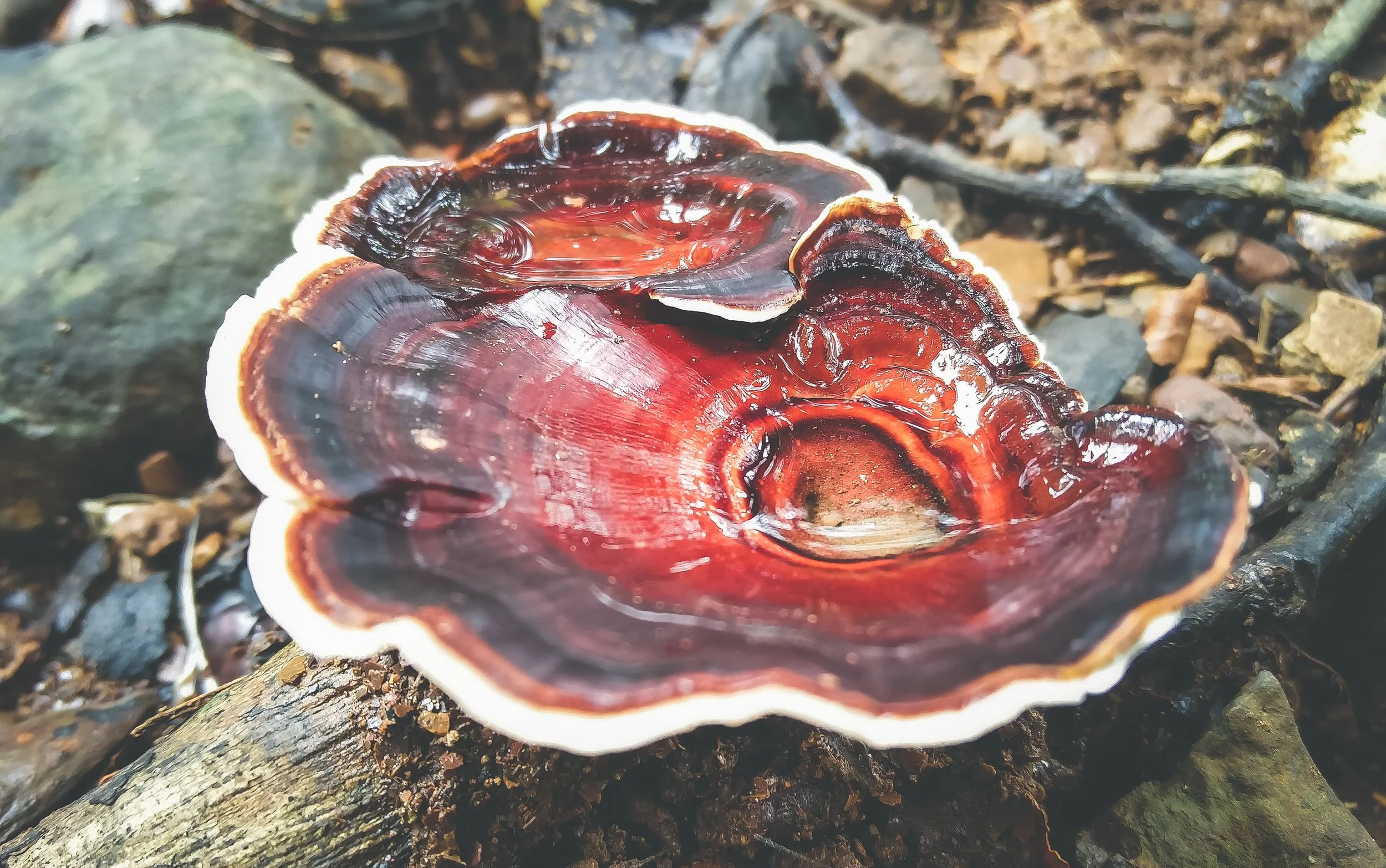
Reishi is one of the most respected medicinal mushrooms in traditional East Asian medicine. Historically associated with vitality and longevity, it is now widely used as tonic support for stress regulation, immune balance, and sleep quality.
Reishi is often described as adaptogenic, supporting the body’s capacity to respond to stress rather than stimulating energy directly. Its antioxidant and anti inflammatory associations are typically framed within immune modulation and long term systemic balance. Extraction method plays a significant role in determining its functional profile.
Cordyceps, Cordyceps species
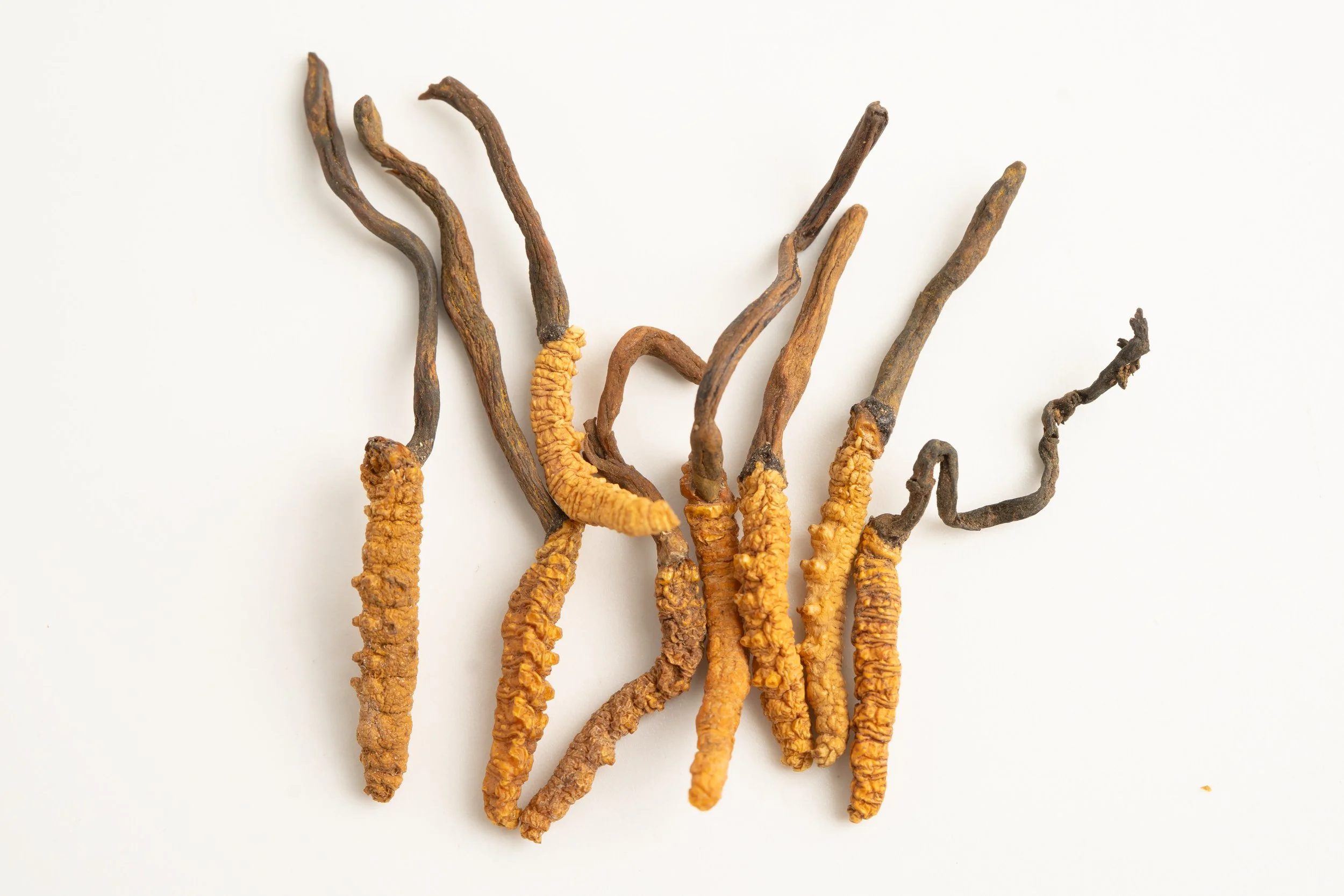
Cordyceps has traditionally been associated with stamina, respiratory support, and vitality. Modern interest often focuses on endurance, recovery, and healthy aging. Contemporary products are typically cultivated rather than wild harvested, and quality varies considerably.
In practice, cordyceps is often considered when fatigue, physical demand, or recovery capacity are central concerns. Its antioxidant role is usually discussed alongside energy metabolism and adaptive support rather than as an isolated effect.
Frankincense, Boswellia species
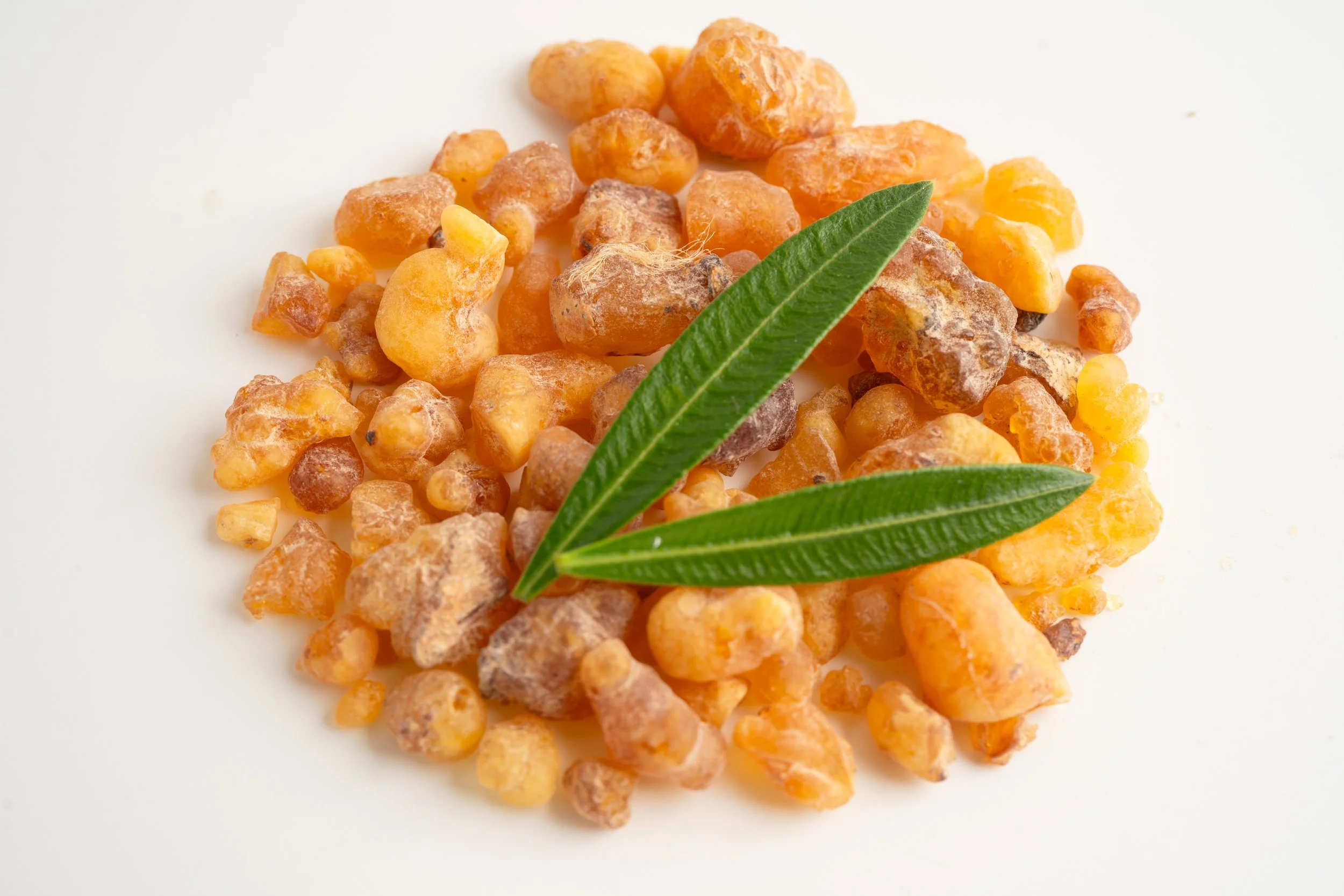
Frankincense resin has a long history of use across multiple cultures for both ceremonial and medicinal purposes. In modern herbal practice, it is most commonly associated with inflammatory balance and joint comfort.
Boswellia illustrates how antioxidant and anti inflammatory actions often overlap. Clinically, it is valued for long term support in chronic inflammatory patterns, particularly those affecting mobility and quality of life. Preparation quality and individual context are critical.
Using antioxidant herbs responsibly
Antioxidant herbs are supportive tools, not guarantees. Their role is complementary and preventive, not a replacement for medical care. Effective use begins with clear goals, realistic expectations, and a strong foundation of healthy lifestyle practices.
For general preventive support, simplicity and consistency are key. One or two well chosen, high quality botanicals used steadily are often more effective than complex supplement routines.
For individuals with diagnosed conditions or those taking prescription medications, herbal products should be approached with the same respect as any biologically active substance. Professional consultation can help ensure safety, compatibility, and appropriate use.
This article is intended for educational purposes only and does not constitute medical advice. Individuals who are pregnant, nursing, managing medical conditions, or taking prescription medications should consult a qualified healthcare professional before using herbal products.