
Sports Herbal Medicine
Clinical herbal medicine offers meaningful support for athletes, not only in the treatment of injuries, but also in prevention, recovery, and long term physical resilience. In this article, I will review the role of clinical herbal medicine in supporting athletes. Before discussing specific medicinal plants, it is important to first understand the different types of physical activity and athlete profiles, as these factors directly influence physical load, recovery capacity, and injury risk.
Types of Physical Activity
Physical activity is generally divided into two primary categories, aerobic and anaerobic.
Aerobic Activity
Aerobic activity involves sustained, submaximal physical effort that engages large muscle groups over extended periods of time. This type of activity increases oxygen consumption and elevates heart rate, ensuring adequate oxygen delivery to working muscles. Common examples include running, swimming, and cycling.
Anaerobic Activity
Anaerobic activity consists of short duration, high intensity effort that relies on energy stored within the muscles in the form of glycogen, without direct oxygen use during the activity. Anaerobic training contributes to increased muscle mass, improved reaction speed, and greater bone density. A classic example is weight training.
Athlete Profiles and Injury Risk
Beyond activity type, athletes can be categorized based on training intensity and lifestyle demands.
Professional and Recreational Athletes
At the top of the spectrum are professional athletes, for whom physical training is their primary occupation. Although professional athletes are exposed to higher injury risk due to training volume and intensity, a balanced lifestyle that includes adequate rest, proper nutrition, and informed use of supplements and medicinal herbs can prevent a significant portion of injuries.
Alongside professionals are recreational athletes, who typically train four to six times per week. In recent years, activities such as cycling, triathlon, martial arts, and resistance training have become increasingly popular among adults. These athletes often combine intensive training with demanding work schedules and full personal lives. As a result, they may be even more prone to injury than professional athletes, largely due to insufficient recovery time and, in many cases, inadequate nutritional support.
Moderate and Irregular Activity Patterns
In contrast, individuals who engage in balanced physical activity for approximately one hour, three times per week, experience very low injury rates. This pattern is widely considered the most sustainable and health supportive approach to physical fitness.
At the lower end of the spectrum are individuals who exercise irregularly, zero to two times per week. This group is associated with some of the most severe sports injuries. Occasional high intensity activities, such as a weekend soccer game or an annual ski vacation, can place excessive strain on an unprepared body and lead to serious injury.
Adaptogenic Herbs and Stress Physiology
A large proportion of sports related injuries are closely linked to overtraining and mental exhaustion. In response to physical and psychological stress, the body produces stress hormones from the adrenal glands, primarily cortisol and aldosterone. Prolonged stress places excessive strain on the adrenal glands and reduces the body’s adaptive capacity. This state increases injury risk and may also compromise immune function.
The Role of Adaptogens in Athletic Support
The primary group of medicinal plants used to support adrenal health are known as adaptogens. These herbs enhance the body’s ability to adapt to physical and mental stress, improving resilience and overall stress tolerance. Adaptogens help regulate the adrenal stress response during prolonged periods of strain, preventing the gradual depletion that can lead to chronic inflammation and reduced physiological resistance.
In addition to stress modulation, adaptogenic herbs may also improve physical endurance and mental performance. This broader effect is commonly described as tonic in nature.
Biochemical Basis of Adaptogenic Activity
From a biochemical perspective, adaptogens share common phytochemical compounds known as triterpenoid saponins. These compounds have molecular structures similar to adrenal hormones and exert a complex, balancing effect on adrenal function. Adaptogens are therefore used both to support chronic inflammatory conditions and to improve endurance and athletic capacity.
Adaptogens and Endurance Performance
Extensive research conducted since the early 1970s has examined the adaptogenic properties of medicinal plants, particularly Siberian ginseng and Korean ginseng. Studies involving elite and Olympic athletes demonstrated improvements in endurance, recovery time, oxygen utilization, and overall athletic performance.
In extreme endurance sports such as Ironman competitions or professional cycling events like the Tour de France, athletes aim to increase red blood cell count in order to enhance oxygen delivery. This can be achieved legally through adaptogenic herbal support, in contrast to illegal and potentially dangerous practices such as blood transfusions.
Common Adaptogenic Herbs in Sports Medicine
Adaptogens therefore represent a central group of herbs used for athletic maintenance and injury prevention. Common adaptogenic plants include Withania somnifera, Rhodiola rosea, Codonopsis pilosula, Tinospora cordifolia, and Rhaponticum carthamoides.
Herbal protocols should always be individualized. Milder adaptogens, such as Withania, may be used daily over extended periods, while more stimulating herbs, such as Korean ginseng, are generally reserved for shorter, targeted use.
Sports Injuries and Recovery Strategies
Sports injuries are an inevitable part of long term athletic activity. It is rare to find an individual who has trained consistently over many years without experiencing at least one injury.
Types of Sports Injuries
Sports injuries generally fall into two broad categories. Traumatic injuries include sprains, joint dislocations, ligament tears, and back injuries. Overuse injuries are associated with repetitive strain and reduced recovery capacity. These injuries often require prolonged rehabilitation and include stress fractures, cartilage degeneration, tendon inflammation, and growth plate irritation.
Integrative Approaches to Injury Rehabilitation
In my view, medicinal herbs and pharmaceutical treatments, particularly anti inflammatory and pain relieving medications, often provide only partial and symptomatic relief. In chronic injuries especially, optimal recovery requires an integrated approach that may include sports focused physical therapy, acupuncture, and movement based methods such as the Feldenkrais technique.
Herbal Support for Pain, Inflammation, and Tissue Repair
Many medicinal plants are traditionally used to address pain, inflammation, bruising, trauma, and soft tissue injuries.
Arnica and Acute Trauma
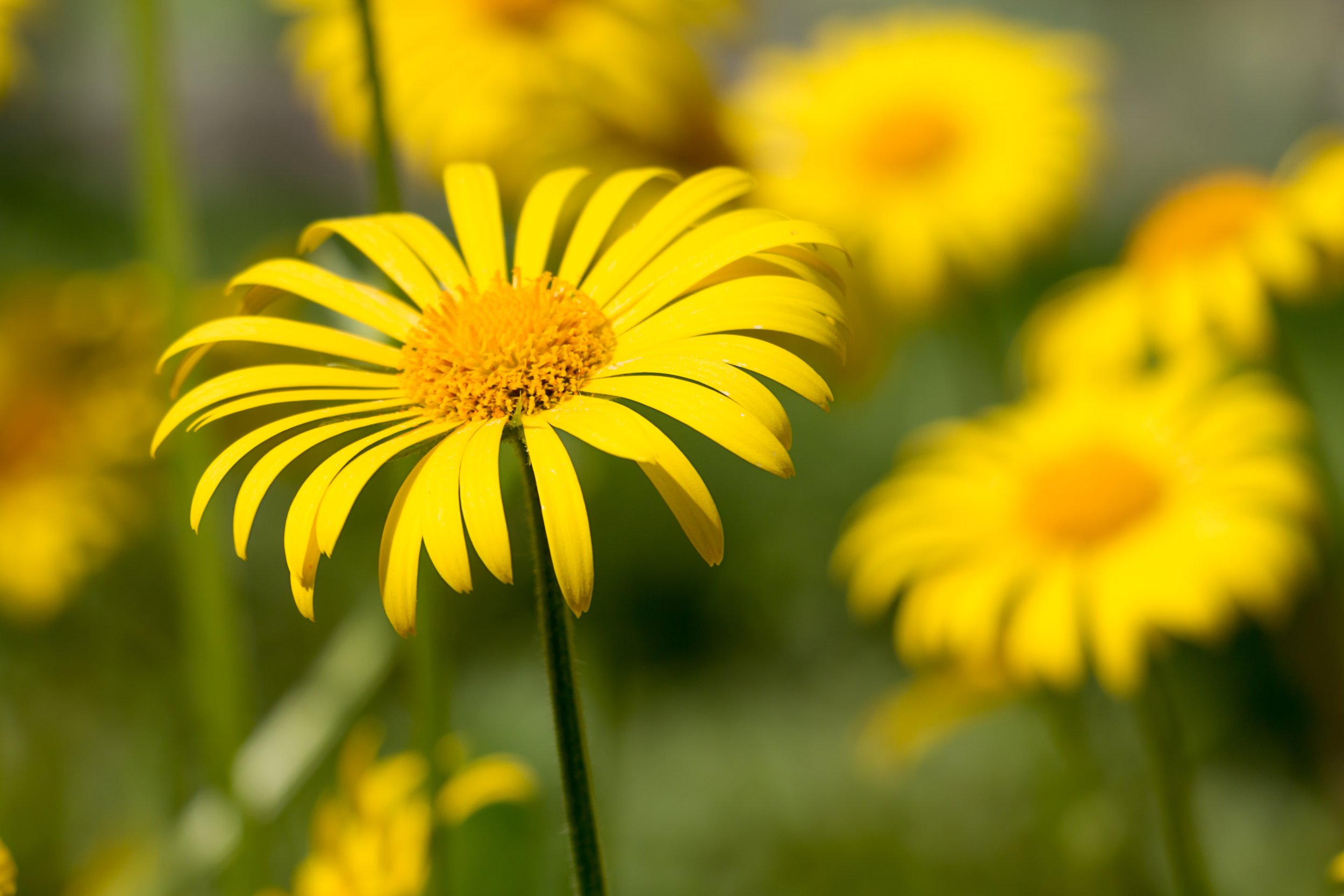
Arnica is commonly applied externally in creams, gels, or compresses for bruises, hematomas, and sprains. It is most effective when used as close as possible to the time of injury, often alongside local cold application. Arnica should not be applied to broken skin or mucous membranes.
Juniper and Joint Inflammation
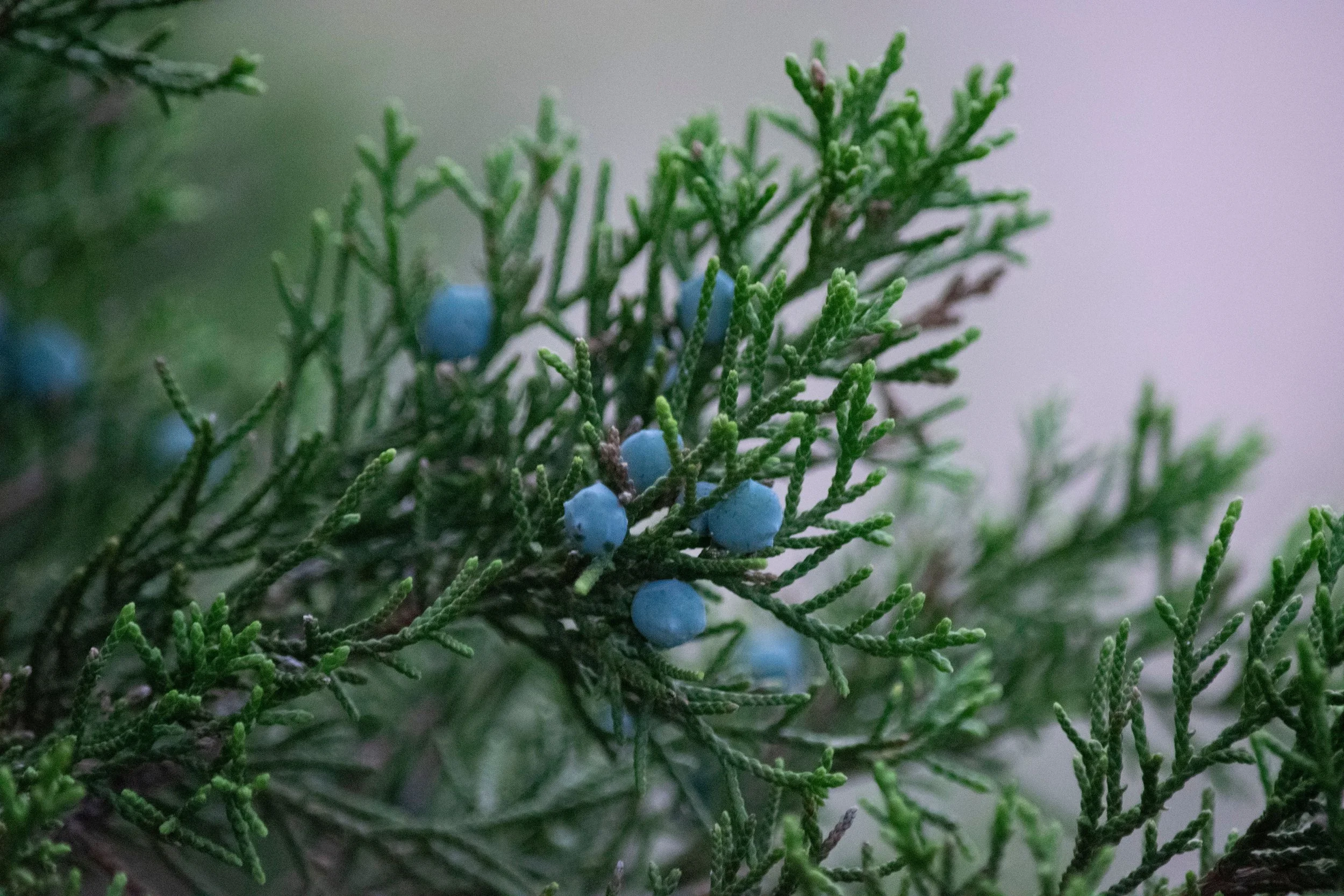
Juniper is primarily used externally for inflammatory conditions, particularly involving the knees. It is traditionally associated with cartilage wear accompanied by pain and inflammation.
Capsicum for Musculoskeletal Pain
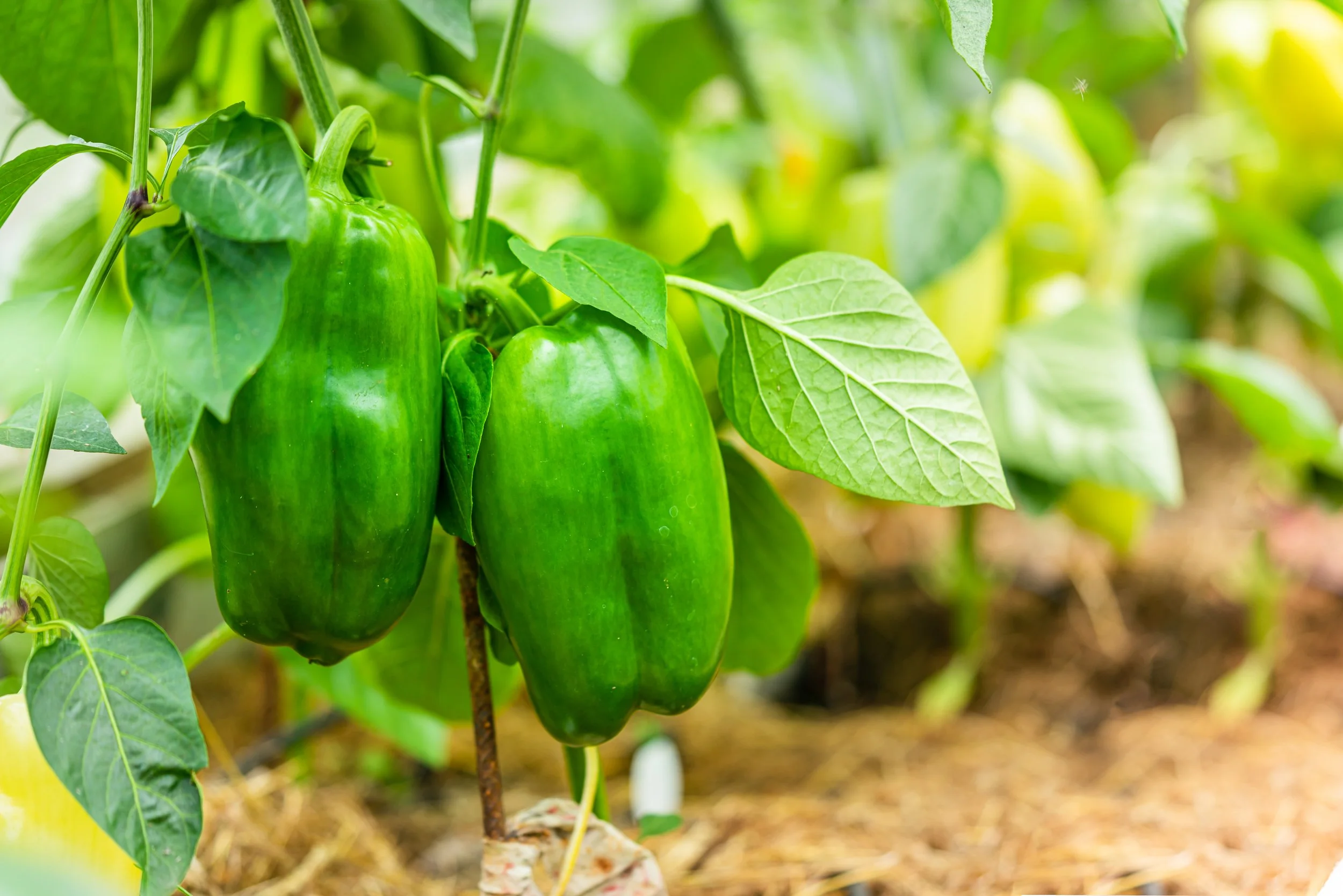
Capsicum is considered a potent external herb for musculoskeletal pain. It is warming, mildly anesthetic, and improves peripheral circulation. Capsicum based preparations are often applied before physical activity to warm stiff or painful areas.
Rue Oil and Traditional Joint Care
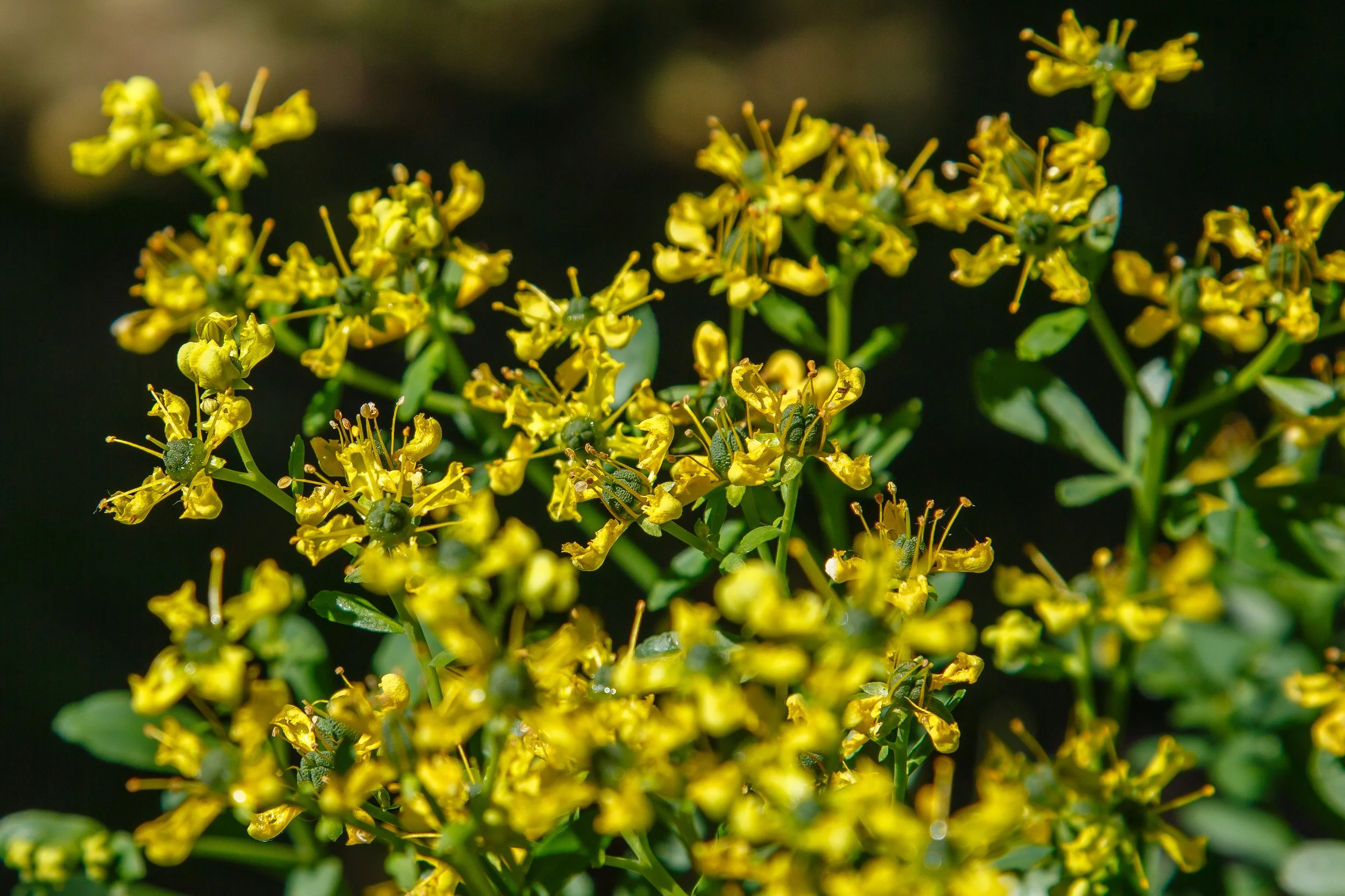
Rue oil is traditionally used for joint inflammation and muscle pain. Internal use at high doses may be toxic and is not recommended.
Comfrey and Tissue Regeneration
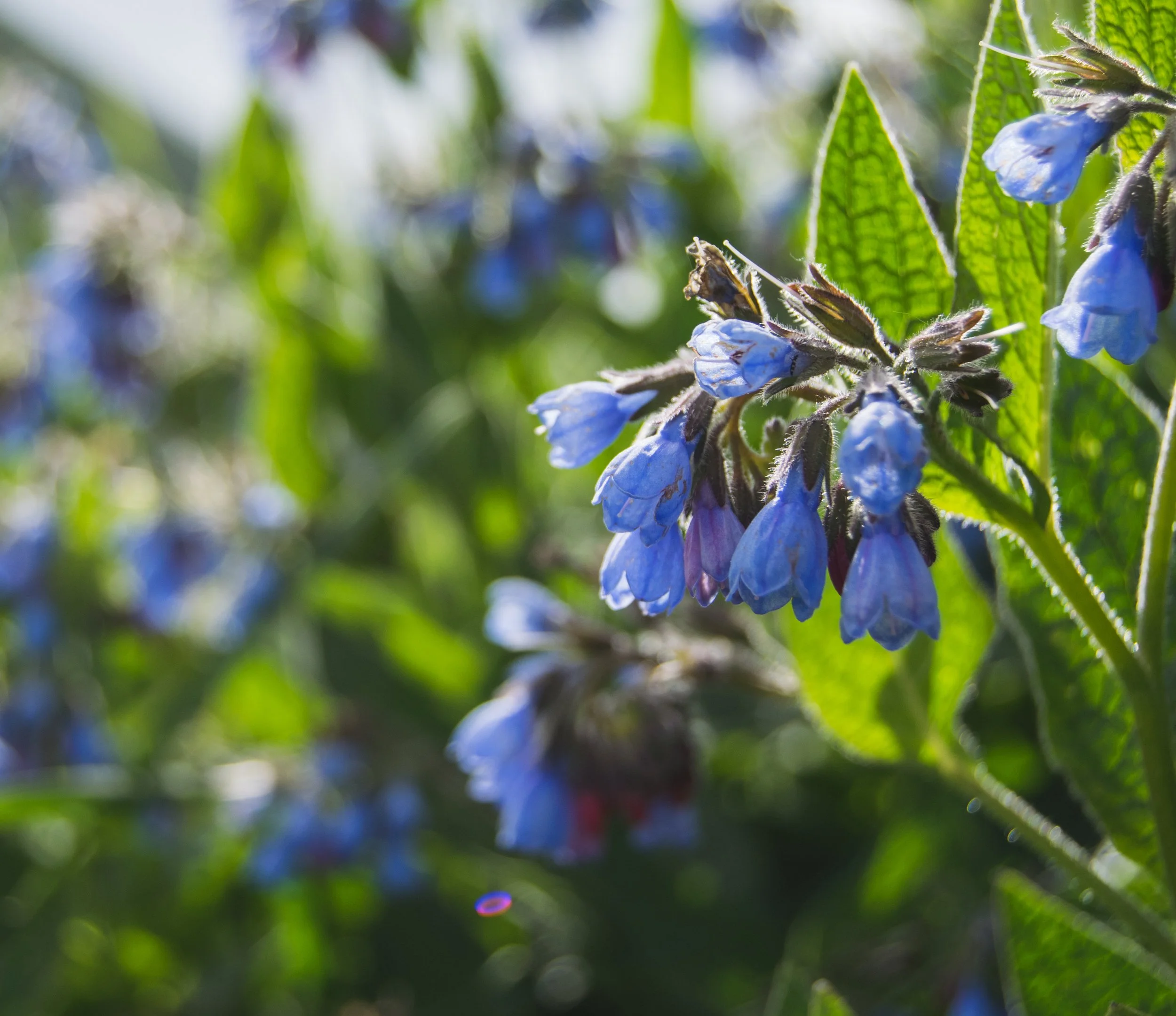
Comfrey has been used medicinally for centuries and is known for its high allantoin content, which promotes tissue regeneration. Modern clinical research supports the effectiveness of comfrey based topical preparations in reducing pain, improving joint mobility, and supporting recovery in conditions such as osteoarthritis, sprains, and back pain. Prolonged internal use at high doses is not recommended due to potential liver toxicity.
This article is intended for educational purposes only and does not constitute medical advice. Individuals who are pregnant, nursing, managing medical conditions, or taking prescription medications should consult a qualified healthcare professional before using herbal products.