
Reishi Mushroom
Botanical Name
Ganoderma lucidum
Family
Ganodermataceae
Chinese Name
Ling Zhi
Origin and Habitat
Native to China, growing on hardwood logs in monsoon influenced climates. Now cultivated and used worldwide.
Botanical Description
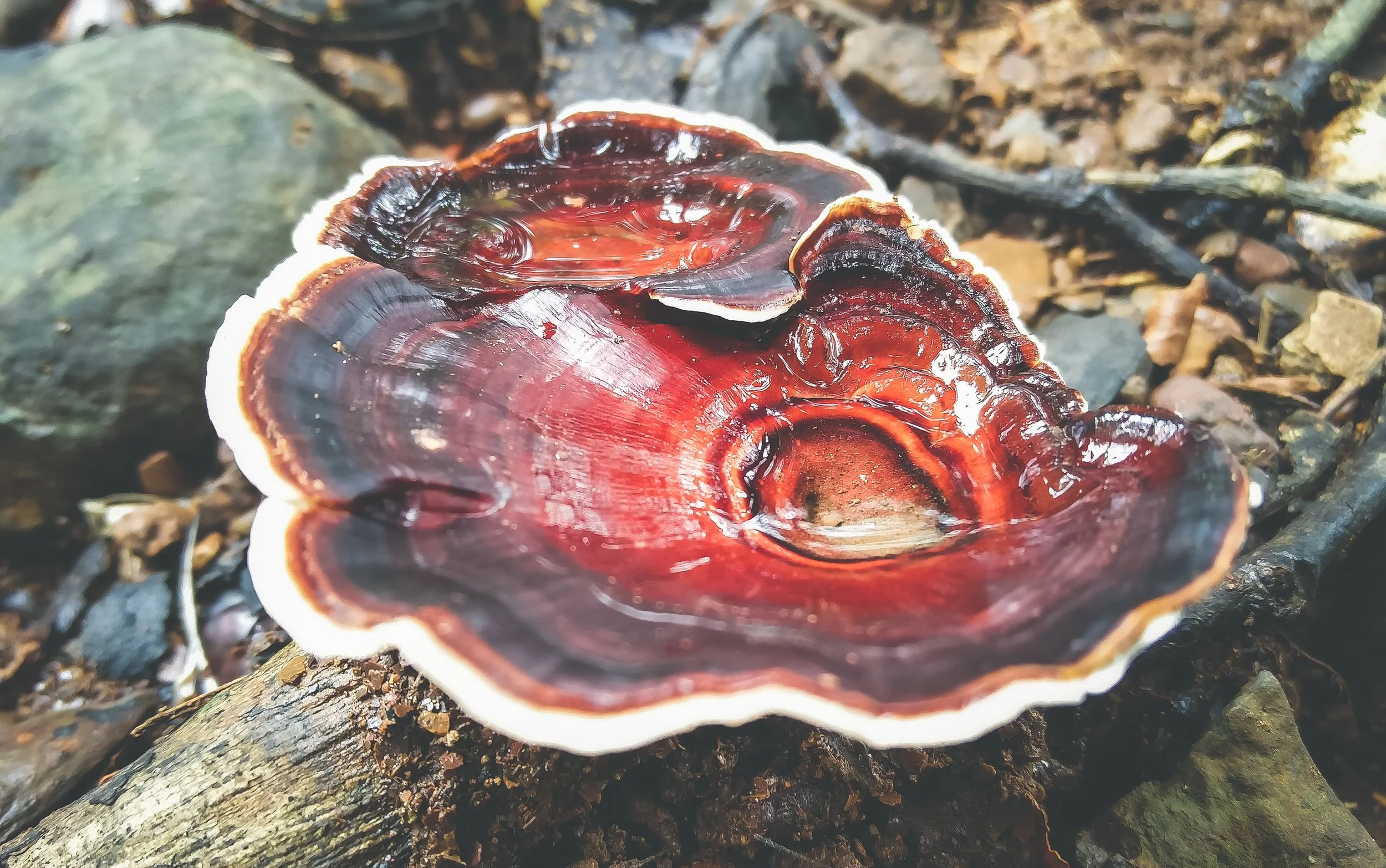
Large medicinal mushroom with a glossy red, brown, or black cap. Cap and stem form a woody bracket like structure typical of polypore fungi.
Plant Parts Used
Whole fruiting body of the mushroom.
Key Constituents
Triterpenes including ganoderic acids, polysaccharides including beta glucans, sterols, amino acids, bitter compounds.
Mechanisms of Action
Adaptogenic activity supporting stress response; immune modulation; antioxidant effects; potential metabolic support.
Traditional Applications
Long history in Traditional Chinese Medicine; historically used for vitality, endurance, and longevity.
Evidence Informed Uses
Immune support; stress adaptation; adjunct support in metabolic and cardiovascular health within herbal practice.
Preparations
Powdered mushroom, decoctions, extracts, capsules, tinctures.
Safety and Considerations
Generally regarded as safe. Rare adverse effects may include mild gastrointestinal discomfort. Use caution with anticoagulants and immunosuppressants.
Clinical Relevance
Widely studied medicinal mushroom used in integrative herbal practice for adaptogenic and immunomodulatory support.
