
Sports Herbal Medicine, Internal Therapeutic Support

One of the most common concerns among athletes, particularly those training consistently over many years, is the risk of injury that could interrupt performance, progress, or routine. For professional athletes, injury may directly impact livelihood and career longevity. For recreational athletes, the challenge is often psychological, stepping away from movement, structure, and identity built around training. This shared concern leads many athletes to seek not only treatment after injury, but proactive strategies for prevention and long-term resilience.
Intensive training inevitably places repeated stress on joints, muscles, connective tissue, and the nervous system. Over time, this stress often accumulates into chronic inflammation, stiffness, or recurring pain in specific areas of the body. While external therapies such as physiotherapy, massage, and mobility work play an essential role, internal support is often overlooked.
Internal Therapeutic Support in Sports Medicine
Clinical herbal medicine offers tools that work from within, supporting the body’s inflammatory response, circulation, tissue repair, and recovery capacity. When applied appropriately, internal herbal support complements external therapies by addressing physiological processes that influence resilience, healing, and long-term performance sustainability.
Medicinal Plants for Inflammation, Pain, and Recovery
Boswellia (Boswellia serrata)
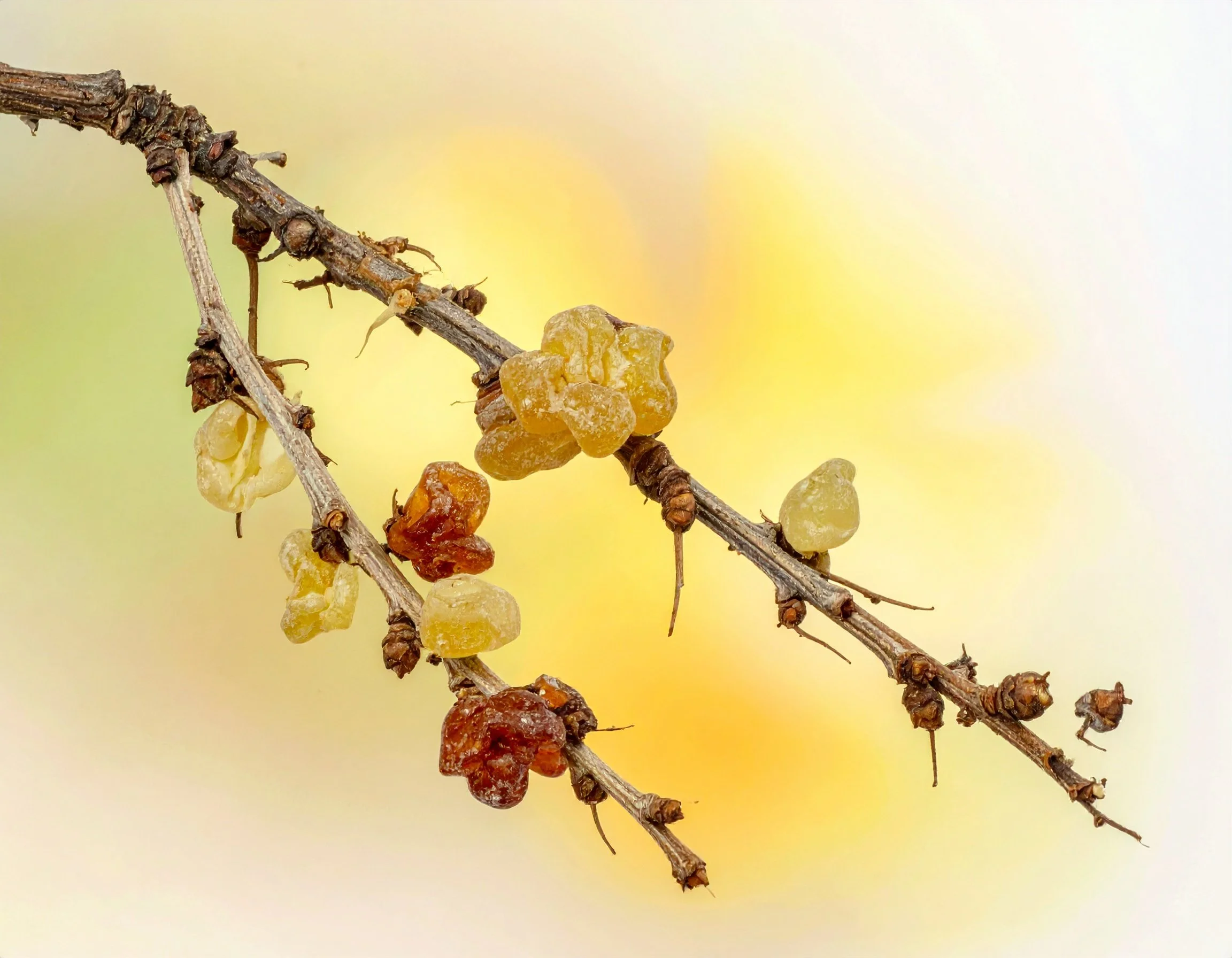
Boswellia is one of the most widely researched medicinal plants used for chronic inflammation, particularly in joint-related conditions. In modern herbal practice, it is commonly used for athletes experiencing long-standing joint discomfort, reduced mobility, or inflammatory flare-ups related to repetitive physical load.
Research has shown that Boswellia can support reductions in pain and improvements in joint function, especially in conditions involving cartilage wear and persistent inflammation. Unlike fast-acting pain relievers, Boswellia is typically used as a longer-term support herb, helping to regulate inflammatory processes while supporting tissue health over time.
Devil’s Claw (Harpagophytum procumbens)

Devil’s Claw is well established in herbal medicine for its analgesic and anti-inflammatory properties, particularly in musculoskeletal pain. It is frequently used for lower back discomfort, joint pain, and overuse-related conditions, making it relevant for athletes across a wide range of disciplines.
Clinical studies suggest that Devil’s Claw can provide meaningful pain relief, in some cases comparable to conventional anti-inflammatory medications. This makes it a valuable option during periods of increased physical stress or acute flare-ups, particularly for individuals seeking alternatives to frequent pharmaceutical use.
Zanthoxylum species

Zanthoxylum plays a distinct role in sports herbal medicine due to its combined effects on inflammation and circulation. Healthy blood flow is essential for recovery, as it supports nutrient delivery to tissues and the removal of metabolic waste products from areas under physical stress.
Research on various Zanthoxylum species suggests that their active compounds influence inflammatory signaling pathways while simultaneously supporting peripheral circulation. This dual action can be especially helpful for athletes dealing with stiffness, localized pain, or delayed recovery in joints and connective tissue.
Black Cohosh (Actaea racemosa)

Although most commonly associated with women’s health, Black Cohosh also has a role in musculoskeletal support. In clinical herbal practice, it is sometimes used for pain and inflammation affecting the lower back, pelvis, and knees, areas that commonly bear high mechanical load during athletic movement.
Black Cohosh is generally used for shorter periods and is better suited for acute or subacute phases of discomfort rather than long-term maintenance. When applied appropriately, it can offer meaningful support during periods of heightened pain or restricted mobility.
Principles of Internal Recovery Support
Internal herbal support is not about masking pain or overriding the body’s signals. In sports herbal medicine, the goal is to support the body’s natural repair mechanisms, reduce excessive inflammation, and promote efficient recovery. Herbs are selected based on the nature of the issue, whether it is acute or chronic, localized or systemic, and always within the context of the athlete’s overall health and training demands.
Conclusion
When combined with intelligent training programming, adequate rest, appropriate nutrition, and hands-on therapies, medicinal plants can play a valuable role in supporting resilience, reducing injury risk, and maintaining long-term athletic performance.
This article is intended for educational purposes only and does not constitute medical advice. Individuals who are pregnant, nursing, managing medical conditions, or taking prescription medications should consult a qualified healthcare professional before using herbal products.