
Infectious Disease Treatment, Then and Now

Human beings in the Western world have never lived longer or healthier lives, and medical achievements have rarely been as significant as they are today. There is no dispute that the medical breakthroughs of the past fifty years, the culmination of a long tradition of scientific medicine, have saved more lives than at any other time since the birth of medicine. Yet paradoxically, modern medicine has seldom been met with as much doubt and dissatisfaction as it is today.
Adapted from Roy Porter, The Greatest Benefit to Mankind: A Medical History of Humanity
Fundamental Differences Between Conventional and Traditional Holistic Approaches
Symptom Versus Disease
Many conditions defined as diseases in the conventional medical model are viewed as symptoms within traditional and holistic systems. From this perspective, symptoms such as fever or flu-like manifestations are not necessarily suppressed, but rather supported and guided to completion. The goal is to assist the body in expressing and resolving the condition without disrupting natural physiological processes.
Separated Systems Versus an Integrated Whole
Conventional medicine divides the human body into distinct systems, each treated by a different specialist. Traditional medical systems operate from the understanding that all systems are interconnected. A disturbance in one area inevitably influences others, making it impossible to treat a single system in isolation from the whole person.
Universal Medicine Versus Individualized Care
As global populations grow, standardized medical protocols offer efficiency and accessibility. However, they cannot always provide precise, individualized care. Time constraints in modern primary care often limit detailed assessment, whereas traditional approaches emphasize one on one treatment and extended consultation. It should be acknowledged that many traditional therapies are privately funded and may involve higher financial costs.
Febrile Illnesses
Body temperature is tightly regulated within a narrow range, approximately 96.8°F to 98.6°F, as part of maintaining homeostasis. This balance is controlled by the hypothalamus and reflects the relationship between heat production and heat loss. Acute febrile conditions are defined by a sudden rise in body temperature beyond the normal range. Fever itself is not the disease, but rather a visible expression of immune activation and the body’s response to an infectious challenge.
Causes and Symptoms
The most common causes of fever are bacterial and viral infections. These pathogens trigger immune responses, including the release of inflammatory mediators known as pyrogens, which act on the brain’s temperature regulation centers. The result may include shivering, muscle activation, and peripheral vasoconstriction, leading to the characteristic sensation of cold during high fever. Individual responses vary widely, ranging from mild discomfort to weakness, irritability, or, in some cases, febrile seizures.
Conventional Medical Management of Fever
Standard treatment for fever commonly involves antipyretic and anti inflammatory medications, such as acetaminophen or non steroidal anti inflammatory drugs. While effective at reducing temperature, these medications are often used reflexively, even when discomfort is minimal. Excessive use carries potential risks, including adverse effects and toxic burden, particularly in children.
Herbal Medicine Approach to Febrile Illness
Clinical herbal medicine views fever as a meaningful and often beneficial process that supports recovery. Elevated temperature enhances white blood cell activity, limits the replication of pathogens, and assists the immune system in resolving infection. From this perspective, the aim is not immediate suppression, but intelligent support.
Herbal treatment focuses on activating immune defenses while addressing the infectious agent itself. A key concept in holistic medicine is the idea of allowing the illness to fully express and resolve. Febrile illness can serve as a physiological reset, enabling the body to restore balance. Fever reducing herbs are reserved for situations where the individual can no longer tolerate the symptoms, such as severe exhaustion, persistent distress in children, or nighttime discomfort that interferes with rest.
Herbal Strategies and Seasonal Considerations
In many traditional systems, seasonal transitions are associated with increased susceptibility to illness. The respiratory system is often viewed as closely linked to immune resilience. Supporting respiratory and immune function during seasonal changes is therefore a central preventive strategy.
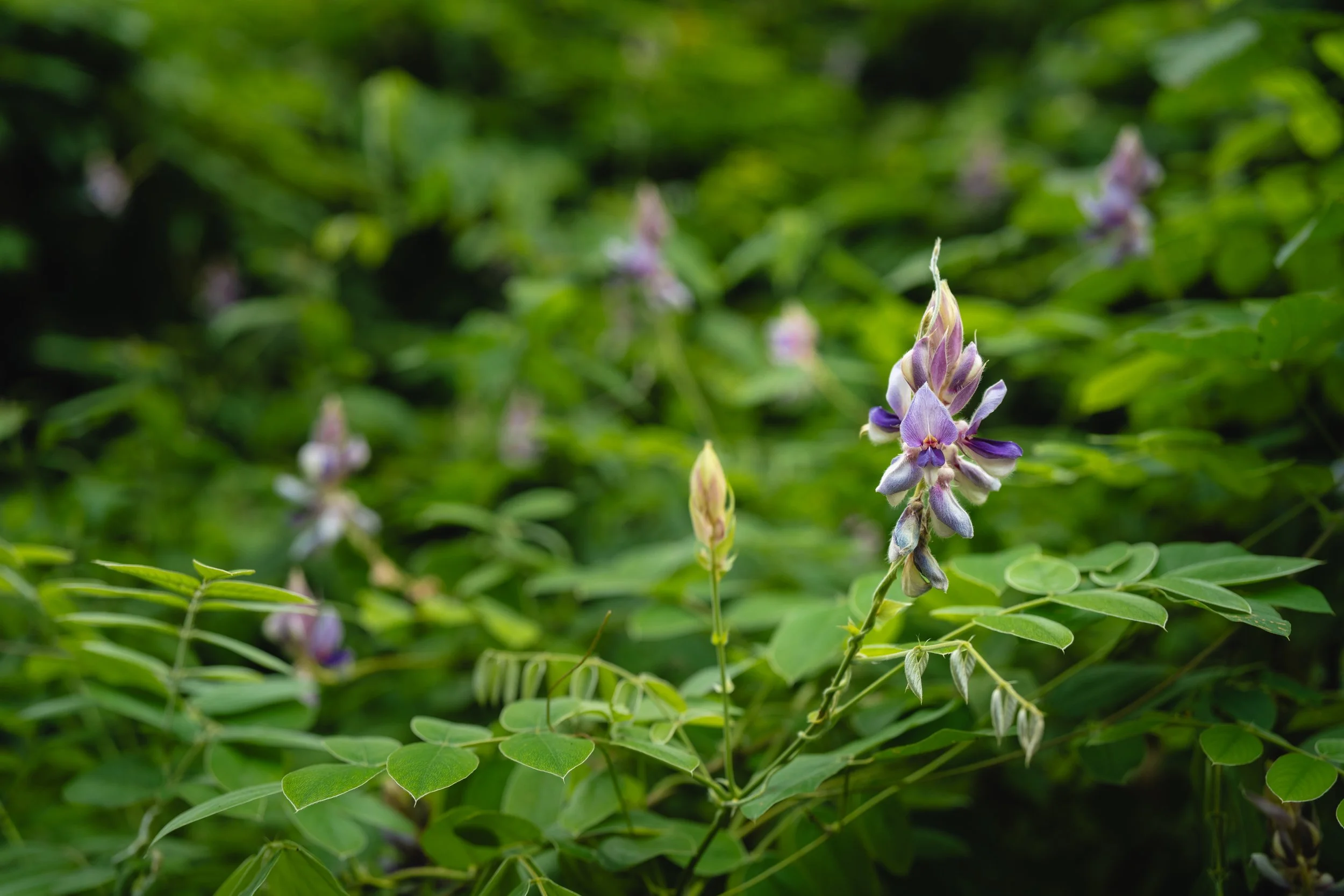
Astragalus membranaceus, known in traditional Chinese medicine as Huang Qi, has been used for centuries to strengthen immune and respiratory function. Modern research supports its role as an immune modulator with antiviral activity. Astragalus is generally considered suitable for long term use and preventive support, but is traditionally avoided during active acute infections due to its tonifying nature.
During the acute phase of febrile illness, herbal strategies shift toward plants with strong antimicrobial and immune stimulating actions. These herbs are often more bitter or pungent in taste and are typically used for short durations. Examples commonly referenced in traditional and Western herbal medicine include Echinacea species and Lonicera japonica. These plants are selected to support the immune response while directly inhibiting pathogenic activity.
This article is intended for educational purposes only and does not constitute medical advice. Individuals who are pregnant, nursing, managing medical conditions, or taking prescription medications should consult a qualified healthcare professional before using herbal products.